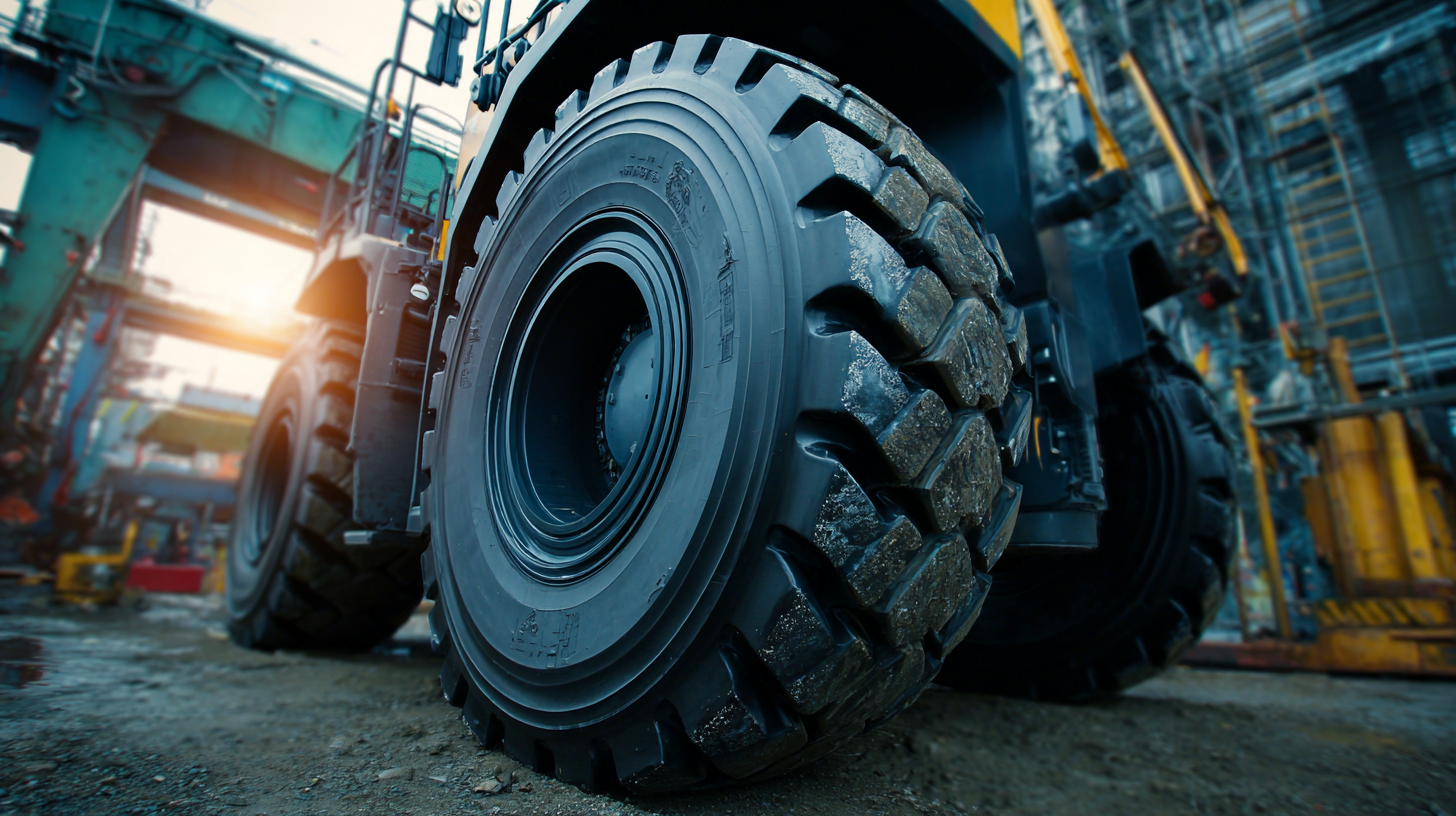
In the fast-paced world of industrial work, picking the right equipment is a big deal—it's key to keeping things running smoothly and safely. One of those essentials? Puncture-Proof Industrial Tires. At Yantai WonRay Rubber Tyre Co., Ltd., we totally get that the right tires can make a real difference in how efficient and cost-effective your business is. Our philosophy is simple: 'quality first, customer first, innovation first.' That mindset pushes us to deliver products that not only meet but often go beyond what our customers expect. We’re laser-focused on quality because we want to help you find tires that are reliable and tough enough for your specific needs. In this guide, we’ll walk you through the main points to think about when choosing puncture-proof industrial tires—so you can make a smart decision that really boosts your operations.
Understanding the Importance of Puncture Proof Tires for Industrial Applications
Puncture-Proof Tires are pretty much essential in many industrial settings—they really make a difference when it comes to keeping things running smoothly and safely. You know how in environments with heavy machinery, a flat tire can mean costly downtime and annoying maintenance? Well, investing in tires that resist punctures can help keep things on track without those unexpected hiccups. As the global market for industrial tires keeps growing steadily, the demand for tough, reliable tires is only going up. It really underscores how important it is to pick the right tires—ones that can handle tough conditions and prevent annoying punctures from messing up your operations.
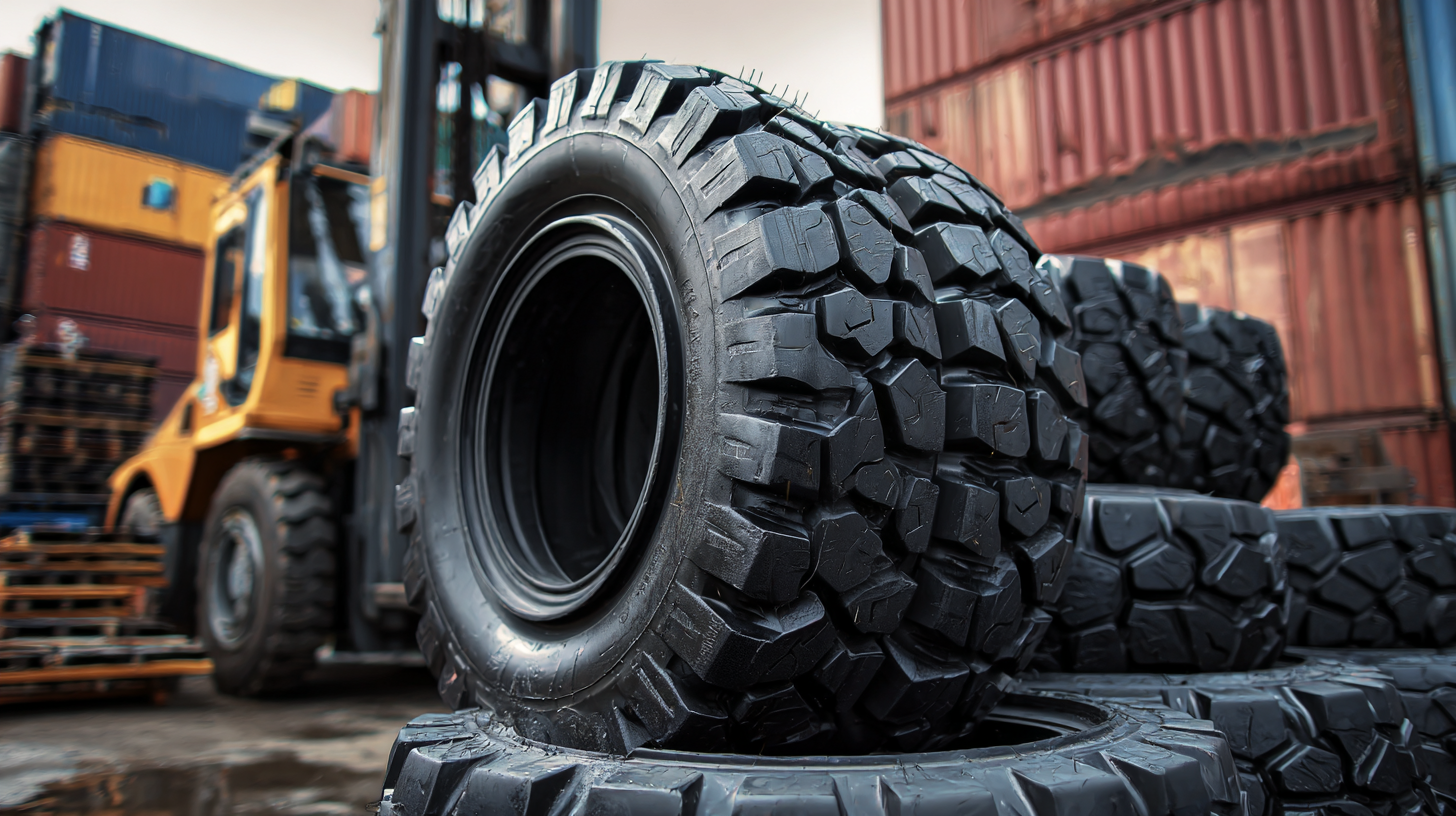
On top of that, the tire industry is going through some exciting changes thanks to new technology. Innovative stuff like airless tires might soon make punctures a thing of the past. That’s pretty cool, right? These advances not only promise big improvements in durability and performance but also show how much the industry is evolving. Plus, there’s this push towards sustainability too—using recycled materials like recovered carbon black in tire manufacturing, for example. It’s clear that companies need to stay in the loop with these developments so they can make smarter choices when it comes to tires, supporting their day-to-day operations better than before.
Identifying the Specific Needs of Your Business for Tire Selection
When you're trying to pick out the best puncture-proof industrial tires for your biz, honestly, understanding what your specific needs are is super important. Like, the kind of terrain you’re dealing with, how much weight your loads are, and just how often you’re using those tires – all of this really matters. I came across a report from the Tire Industry Association that mentioned if you choose the wrong tires, it can bump up your operational costs by around 30%, mainly because of more frequent replacements and downtime. Not fun, right?
So, my best advice? Take a good look at the conditions your tires will face daily. If your work mainly happens on bumpy, uneven ground, then tires with deeper treads and stronger sidewalls are probably your best bet. But if you're mostly indoors on smooth surfaces, then a tire with a softer compound might actually work better and last longer.
Also, don’t forget to check how much weight those tires need to hold. Heavy loads need tires that can handle the pressure without cutting corners on safety. The American Society of Mechanical Engineers suggests making sure your tires’ load ratings match the maximum weights your equipment carries – this is a big deal for performance and how long your tires last.
All in all, it’s a good idea to carefully review your equipment specs and match them with the right tire ratings. Doing this will save you money in the long run and help everything run more smoothly without those annoying surprises.
Evaluating Different Types of Puncture Proof Technologies Available
When you're trying to pick out the best puncture-proof industrial tires for your business, it really helps to get a handle on the different technologies out there. These days, there are some pretty cool innovations, like solid tires, foam-filled options, and even airless tires. I came across a report from Grand View Research that says the global market for industrial tires could hit around $10.6 billion by 2025 — and honestly, the rising need for tough, reliable tires is a big part of that growth. Each type offers its own perks — whether it’s better durability in tough conditions or less downtime because you don’t have to worry about flats or tire failures.
A quick tip: when you’re weighing your options, think about what kind of environment your equipment will be working in. For example, solid tires are usually the way to go if you’re dealing with rough terrains or carrying heavy loads. On the other hand, foam-filled tires tend to give you a bit smoother ride and better grip on uneven ground. Don’t forget to check their load capacity and consider things like temperature or exposure to chemicals — those details really matter when picking the right set of tires.
Oh, and here’s something exciting — technology keeps moving forward, with smart tires that can monitor their own pressure and performance in real time. A recent study by Markets and Markets says that smart tire tech is growing at more than 19% every year. Adding these features can save you a bunch in the long run and make your work safer too.
How to Choose the Best Puncture Proof Industrial Tires for Your Business Needs
| Tire Type | Puncture Resistance Technology | Load Capacity (lbs) | Application | Typical Price Range |
| Solid Tires | Solid Polyurethane | 2,500 | Forklifts, Warehouse | $150 - $300 |
| Airless Tires | Composite Rubber | 3,000 | Agricultural Equipment | $200 - $450 |
| Puncture-Resistant Pneumatic Tires | Kevlar Reinforcement | 2,800 | Construction Vehicles | $250 - $500 |
| Foam-Filled Tires | Closed-Cell Foam | 3,200 | Material Handling | $180 - $400 |
| Lug Tires | Heavy-Duty Rubber | 4,000 | Off-Road Vehicles | $300 - $600 |
Assessing Load Capacity and Durability Factors in Tire Selection
When you're picking puncture-proof industrial tires for your business, it’s really important to pay attention to their load capacity and how durable they are. The Tire Industry Association points out that understanding a tire's load capacity is kinda of a big deal—basically, you want to make sure the tires can handle the weight of your equipment and materials without a hitch. Usually, tires come with a load index, which tells you the maximum weight they can support. For instance, a tire with a load index of 100 can hold about 1,760 pounds. So, it’s smart to figure out how much you’ll be loading onto your tires and pick ones that comfortably exceed that number, just to keep things safe and stress-free.
As for durability, that really depends on the materials used and how the tires are built. Tires with reinforced sidewalls and high-tensile steel belts are better at resisting punctures and tend to last longer. According to the latest data from the rubber and tire folks, tires made with newer, advanced compounds can last up to 35% longer than the standard rubber ones. Pretty impressive, right?
Quick tip: Always chat with your tire manufacturer about the specs that fit your specific industrial needs. And don’t forget to regularly check on your tires’ wear and tear—keeping an eye on them helps make sure they perform well over time. If you're serious about heavy loads, doing some load testing could give you a better idea of how your tires hold up in real-world conditions.
Comparing Cost-Effectiveness of Puncture Proof Tires vs. Traditional Tires
When you’re trying to figure out if puncture-proof tires are worth the investment compared to regular ones, it’s important to look at both the upfront costs and the ongoing expenses. According to the Tire Industry Association, these tougher tires can cut down downtime by almost half — pretty impressive — mainly because they resist flats and blowouts that normally lead to constant repairs and replacements. That means less time your team spends fixing things, which adds up to big savings on labor, equipment, and lost productivity.
Now, sure, those puncture-proof tires usually cost more upfront—somewhere between 10 to 30% extra compared to standard tires—and I won’t pretend that’s nothing. But if you look at the long haul, the benefits can easily outweigh that initial price bump. A study from the Rubber Manufacturers Association points out that businesses might save around $1,200 per vehicle each year just by switching to these tires, mainly because of lower maintenance and fewer replacements needed. So, investing in good quality puncture-proof tires isn’t just about avoiding annoying flats — it’s also a smart move for your bottom line over time.
Choosing the Right Supplier for Reliable Puncture Proof Tires
When you're on the hunt for a trustworthy supplier of puncture-proof industrial tires, it's really important to focus on companies that put quality and customer satisfaction front and center. Take Yantai WonRay Rubber Tyre Co., Ltd., for example — they truly stand out because they follow a philosophy that puts quality first, listens to what customers need, and is always pushing for innovative solutions. That kind of commitment makes them a solid choice if you’re after tires that can really handle tough industrial conditions.
A few tips if you're trying to pick the right supplier: look for those with a solid track record in the industry, read through reviews and testimonials from other customers, and make sure they offer a variety of products suited to your specific needs. It's also a good idea to go with manufacturers who provide good technical support and warranty options — these things matter a lot when it comes to how long your tires last and how well they perform.
And don't forget about innovation! Partnering with a company that invests in R&D means you’re more likely to get the latest tech, which not only meets your current needs but also prepares you for whatever the future throws at you. Choosing a supplier like Yantai WonRay, that focuses on innovative tire technology, can really boost your operational efficiency and even help cut down costs over time.
Comparison of Puncture Proof Tire Types
Ultimate Guide to Choosing Solid Tires for Container Trailers: Benefits, Features, and Recommendations
When it comes to selecting solid tires for container trailers, understanding the benefits and features is critical for ensuring safety and operational efficiency. One of the standout features of high-quality solid tires is their flat tread curve, designed to optimize contact with the surface, which in turn enhances stability during stacker operations. According to industry reports, stability is paramount in environments where stackers operate at significant heights, as lifting operations often pose safety risks due to potential tire failure.
The specialized rubber composition used in these stacker tires plays a crucial role in minimizing heat generation, preventing blowouts, and ensuring durability. Research indicates that the low heat generation associated with top-tier solid tires leads to extended performance life, reducing the frequency of replacements. Additionally, the tear resistance and super wear-resistant tread rubber have been extensively tested, demonstrating remarkable resilience against the challenges posed by frequent turns and tight turning radii common in warehouse settings. This effectively mitigates risks such as tire cracks, chunk loss, and poor wear resistance, which are prevalent in less quality options.
Ultimately, the investment in superior solid tires for container trailers not only enhances the safety of operations but also contributes to improved overall efficiency. By focusing on features such as optimized tire structures, advanced rubber materials, and established stability benefits, businesses can significantly enhance their material handling capabilities while reducing operational downtimes and maintenance costs.
FAQS
: Understanding specific operational needs is crucial because factors like terrain, weight of loads, and frequency of use impact tire performance and can influence operational costs significantly.
For rough terrains, tires with deeper treads and reinforced sidewalls are recommended, while softer compound tires are better suited for smoother indoor applications.
The weight capacity of tires is critical; selecting tires that can handle the required load ensures safety and helps avoid premature wear, thus improving operational efficiency.
A load index indicates a tire's maximum weight capacity; selecting tires with an appropriate load index that exceeds the expected load is essential for safety and performance.
Tires made with reinforced sidewalls and high-tensile steel belts enhance puncture resistance and prolong tire life, providing improved durability.
Puncture-proof tires can reduce downtime by nearly 50% compared to traditional tires, which experience more punctures and blowouts needing repairs or replacements.
Yes, puncture-proof tires often have a higher initial cost, typically ranging from 10% to 30% more than traditional tires.
Businesses can save an average of $1,200 per vehicle annually with puncture-proof tires due to reduced maintenance and replacement costs, making them financially advantageous over time.
Regular assessments of tire wear and tear help ensure optimal performance and longevity, allowing for timely replacements and maintenance as needed.
Consulting with tire manufacturers can provide valuable insights into specifications relevant to specific industrial applications, aiding in effective tire selection and usage.
Conclusion
You know, in today's industrial world, picking the right puncture-proof tires for your equipment isn’t just a good idea—it’s pretty much essential if you want things to run smoothly and avoid lost time. Really understanding why these special tires matter can make a big difference when it comes to keeping your business productive. It’s all about figuring out what you actually need—like how much weight they need to handle, and how tough they need to be—so you can make a smart choice. When you look into the different puncture-proof tire tech out there, it’s worth comparing their benefits with traditional tires, especially when it comes to saving some cash in the long run.
And don’t forget the value of working with a trustworthy supplier, like Yantai WonRay Rubber Tyre Co., Ltd. They’re all about quality and making sure their customers are happy, which can really help you make the best decision. With a company that’s committed to innovation and high standards, choosing the right puncture-proof tires isn’t just about meeting your immediate needs—it’s about setting your business up for long-term success.