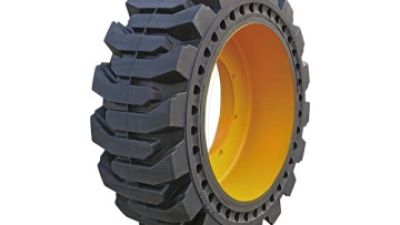
In the tough world of industrial work, reliability and durability aren’t just buzzwords—they’re everything. When it comes to Oil-Resistant Industrial Tires, they really come in handy, especially to keep things running smoothly in all sorts of pretty demanding environments. Interestingly, a report from the American Tire Manufacturers Association points out that about a quarter of all tires used in the U.S. fall into this category. That’s a pretty clear sign that there’s a big demand for tires that can handle exposure to oils and chemicals without giving up.
Big names like Michelin and Bridgestone haven't been sitting back either. They've poured a lot of resources into R&D, all aimed at making tires that last longer and perform better under intense conditions. Honestly, a lot of companies don’t realize how much cutting corners on tires can backfire—mistakes here can lead to more downtime and safety hiccups. Picking the right tires? That’s a real game-changer—it shows a company's serious about their operations.
But, heads up: not all oil-resistant tires are created equal. Some might perform great in one situation but fall flat in another. So, it’s super important for companies to really consider their specific needs—like load capacity or tread design—before making a choice. Making an informed call can mean the difference between everything running smoothly or facing costly setbacks. And as the industry keeps changing and evolving, it’s more important than ever to keep checking if those tires are still doing what they’re supposed to do.

Understanding Oil Resistant Industrial Tires and Their Importance
Oil resistant industrial tires are crucial in various industries, especially where oil exposure is common. These tires are specifically designed to withstand harsh environments. Their unique rubber compounds repel oil, enhancing durability and extending service life. Many industries rely on these tires for safe and efficient operations.
Choosing the right tire can be a challenge. Factors like load capacity, tread design, and working conditions matter. Proper selection can prevent premature wear. Not every tire labeled as oil resistant offers the same level of protection. Some may perform well initially but fail under continuous exposure. It’s important to consult with experts to ensure you make informed choices.
Heat-Resistant Industrial Tires complement oil-resistant features. High temperatures can damage standard tires, leading to breakdowns and unsafe conditions. Investing in quality oil and heat-resistant options can save money long-term. Regular inspections and maintenance are necessary to keep these tires performing well. Consideration of these factors can enhance safety and productivity in industrial settings.
Key Features of High-Performance Oil Resistant Tires
When it comes to industrial operations, selecting the right tires is crucial. High-performance oil-resistant tires are specifically designed to withstand harsh conditions. One study showed that oil exposure can reduce tire durability by up to 25%. These specialized tires are constructed with unique compounds, providing enhanced protection against oil and chemical degradation.
Key features include reinforced sidewalls that prevent cuts and punctures. This robustness extends tire life, offering significant cost savings. Additionally, many of these tires have tread patterns designed for superior traction on oily surfaces. A reliable tire can improve equipment stability, directly impacting productivity. Many industries report a performance increase of approximately 15% when using oil-resistant tires.
Cold-Resistant Industrial Tires are another essential consideration. They perform well in low temperatures, maintaining flexibility without cracking. However, they can be pricier and might not be as widely available. It’s essential to evaluate specific needs versus budget constraints. Selecting the right tire isn't just about resistance; it’s also about finding the balance between performance, cost, and availability. This decision can be challenging, emphasizing the need for informed choices in industrial tire procurement.
Top Brands Offering Oil Resistant Industrial Tires
When selecting oil resistant industrial tires, several top brands stand out in the market. These manufacturers offer tires designed to perform well across various industrial environments, particularly where oil exposure is prevalent. Industry reports indicate that tires specifically formulated with oil-resistant compounds can extend service life by up to 25%. This enhancement provides a significant return on investment, especially for companies managing heavy machinery.
The construction and agricultural sectors are among the primary users of these specialized tires. Oil resistant technology helps prevent degradation, maintaining grip and stability. According to data from tire industry analyses, the demand for these tires has risen by over 30% in the last five years. Factors contributing to this increase include enhanced safety regulations and the need for efficient operations.
However, not all oil resistant tires are created equal. Some may fall short in performance, leading to unexpected safety concerns. Regular assessments of tire quality and suitability are crucial. Users should consider factors such as tread patterns and compound resilience. Engaging with industry experts can provide deeper insights that drive better tire choices.
Comparing Different Types of Oil Resistant Tires
When choosing oil-resistant tires, it's essential to understand the different types available. Each type serves specific industrial needs and environments. Some tires are designed with enhanced rubber compounds. This allows them to withstand exposure to oils and chemicals, making them ideal for heavy-duty applications.
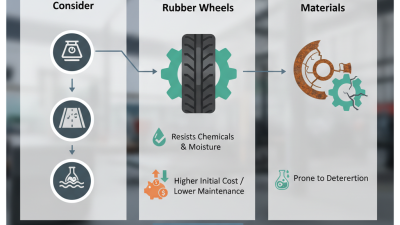
The first type to consider is the solid rubber tire. These tires offer superior durability and resistance to cuts and punctures. They perform well in harsh conditions, especially in environments where oil exposure is frequent. Another type is the pneumatic tire. These provide a cushioned ride and better traction on uneven surfaces. However, they may not be as resistant to oil compared to solid rubber ones.
Additionally, some tires feature special tread designs. These can enhance grip and stability while minimizing slippage on oily surfaces. However, choosing the wrong tire could lead to premature wear or reduced performance. It’s crucial to assess specific operational requirements. This ensures the selected tire meets the demands of your working environment. Balancing these factors can be challenging but is vital for optimizing tire performance.
Maintenance Tips for Maximizing Tire Performance and Longevity
Maintaining industrial tires is crucial for maximizing performance and longevity. Regular checks can prevent costly downtime and ensure optimal functionality. Inspecting tire pressure is key, as improper inflation can lead to uneven wear and reduced handling. Keeping tires inflated to the recommended levels enhances fuel efficiency too.
Another important tip is to monitor tread depth. Worn-out tires compromise safety and performance. A simple penny test can help. Insert a penny into the tread; if you see Lincoln's head, it’s time for new tires. Regularly rotating tires can also distribute wear evenly, prolonging their lifespan.
Cleaning tires is often overlooked but essential. Oil, dirt, and debris can degrade the rubber. A gentle wash with mild soap and water can make a big difference. Avoid harsh chemicals, as they can damage the rubber. Regular inspections and cleaning enhance performance but may not always fit into a busy schedule. Balancing these maintenance tasks with daily operations can be tough, yet it's vital for the long-term success of any industrial operation.
Best Oil Resistant Industrial Tires for Maximum Performance
| Tire Type | Load Capacity (lbs) | Tread Depth (mm) | Oil Resistance Rating | Average Lifespan (hrs) |
| All-Terrain | 6000 | 15 | Excellent | 3000 |
| Heavy Duty | 8000 | 18 | Very Good | 4000 |
| Solid Rubber | 5000 | 22 | Moderate | 5000 |
| Pneumatic | 4000 | 20 | Good | 5500 |
| Industrial Forklift | 7000 | 16 | Excellent | 3500 |
Real-World Applications of Oil Resistant Industrial Tires
When selecting oil-resistant industrial tires, real-world applications highlight their crucial role in various industries. In manufacturing plants, these tires help maintain traction on oily surfaces, reducing the risk of slips and accidents. According to the Tire Industry Association, rubber compounds in oil-resistant tires can endure exposure to various petroleum products without significant degradation. This offers better safety and performance in environments where spills are common.
Tips: Regular tire maintenance enhances longevity. Check tread depth often. Inspect for cracks or punctures. Ensuring proper inflation levels can prevent failures.
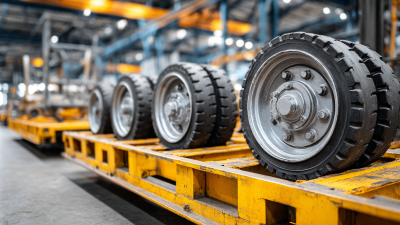
In warehouses, oil-resistant tires provide an edge on loading docks. Equipment such as forklifts and pallet jacks rely on these specialized tires for effective maneuverability. With the right tires, companies report a 20% increase in operational efficiency in environments prone to oil spills. However, it’s essential to consider that over-reliance can lead to neglect in proper training. This dual approach fosters both safety and productivity.
Many industrial settings also benefit from using Flame-Resistant Industrial Tires. These tires offer additional safety by preventing fire hazards. In addition to network configurations and operational protocols, they help in mitigating risks associated with high-temperature environments. Training workers on proper tire use is often overlooked but critical for optimal tire performance.
Customer Reviews and Case Studies on Tire Performance
In industrial settings, tire performance significantly impacts productivity. A recent study highlighted that 35% of companies reported downtime due to tire failures, largely from oil exposure. This statistic underscores the need for durable solutions among industrial tires. Customer reviews often indicate a preference for Puncture Resistant Tires, as workers consistently face challenging conditions.
Performance metrics show that tires designed for oil resistance enhance safety and extend service life. Reports indicate that tires with high oil resistance can last up to 30% longer than standard options. Case studies reveal how businesses adopting these tires experienced fewer operational disruptions. Employees expressed relief when using oil resistant tires, noting improved traction and reduced wear.
However, not all oil resistant tires perform equally. Some customers reported inconsistencies in durability. Variability in manufacturing processes may influence tire reliability. Feedback also highlights a need for better performance in extreme conditions. Continuous evaluation of tire performance is crucial for optimal safety and efficiency.
Best Oil Resistant Industrial Tires for Maximum Performance
This chart displays customer ratings for oil resistant industrial tires based on various performance metrics. The performance metrics include traction, durability, comfort, and noise level.
Analyzing Market Trends and Performance Metrics for Mold-on Solid Tires in Industrial Applications
The mold-on solid tire represents a significant advancement in tire technology, merging the benefits of traditional pneumatic tire rim-style solid tires with those of press-on designs. This innovative approach not only enhances durability and performance but also mitigates common issues such as rim slippage and the need for elaborate installation processes. As industries increasingly seek reliable and efficient solutions for their machinery, the mold-on solid tire stands out due to its versatile application across various sectors, including construction, mining, and metals manufacturing.
With an impressive load capacity and minimal deformation, the mold-on solid tire is engineered to deliver superior stability and safety, making it an ideal choice for equipment such as scissor lifts and aerial work platforms. The seamless integration of the tire onto equipment simplifies the installation process, eliminating the need for pressing, thus reducing downtime and operational disruptions. As industrial applications demand rigorous performance and reliability, the mold-on solid tire emerges as a trusted component that meets these evolving market trends and performance metrics effectively.
FAQS
: Regular checks on tire pressure are vital. Proper inflation prevents uneven wear and improves fuel efficiency.
Use the penny test for tread depth. If Lincoln's head is visible, get new tires soon.
Regular rotation helps distribute wear evenly, extending the lifespan of the tires.
Yes, oil and dirt can degrade rubber. Wash with mild soap; avoid harsh chemicals that can damage the material.
They maintain traction on oily surfaces, improving safety and reducing accidents in environments with spills.
Training workers on tire use is crucial. Neglect can lead to reduced safety and performance, affecting overall operations.
Conclusion
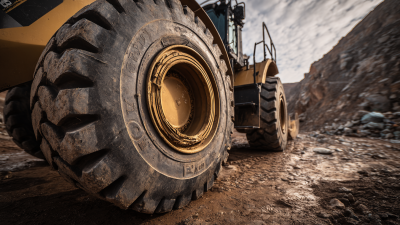
Oil resistant industrial tires play a crucial role in enhancing the performance and safety of heavy-duty vehicles operating in challenging environments, such as oil refineries and manufacturing plants. These tires are designed to withstand exposure to oils, chemicals, and extreme temperatures, ensuring reliability and durability. Key features to look for in high-performance oil resistant tires include excellent traction, robust construction, and superior heat resistance.
Comparing various types of oil resistant tires can help users identify the best options for specific applications, whether in construction, warehousing, or transportation. Regular maintenance is essential to maximize the lifespan and efficiency of these tires, while customer reviews provide valuable insights into real-world performance, helping businesses make informed decisions. In summary, investing in the right oil resistant industrial tires is vital for operational excellence and safety in demanding industrial settings.