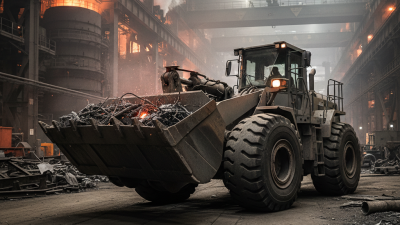
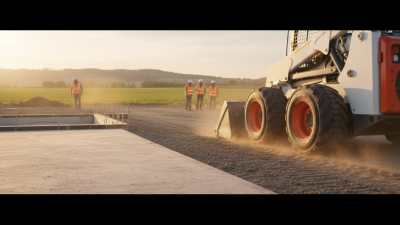
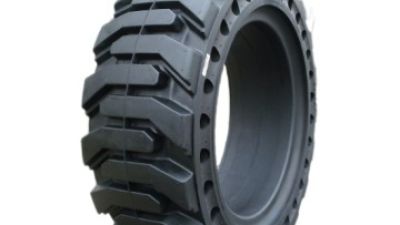
Construction sites really test your tires, huh? Sharp gravel, wet clay, loose dirt—all that heavy machinery stuff—every day demands tires that can handle the tough conditions and grip reliably. So, in this guide, we’re looking at seven Heavy-Duty Traction Tires built specifically for the rough world of construction. We’re judging each one based on things like tread depth, casing durability, how much weight they can take, how easily they shed mud and debris, and how they perform on different surfaces.
Now, real-world experience on the job site really counts here. For example, a tire might hold its grip well on muddy ground but feel pretty harsh when you’re on compacted pavement. Or one might resist cuts and punctures nicely, but then struggle when the loader’s maxed out with weight. We’re not just going by fancy marketing hype—these are practical trade-offs that matter during actual work. Field operators, fleet managers, and techs often notice small details most folks overlook—like vibration at low speeds or packed mud between the treads—that can make a big difference.
There’s no one-size-fits-all answer here, and that’s totally okay to admit. Factors like weather, machine type, where the tires are mounted, how fast you’re working, and even your maintenance routine can totally change how a tire performs. A tire that’s great on a rocky access road might not do so well in wet excavation spots. We also look at manufacturer info from trusted brands, but at the end of the day, your own judgment and experience matter most. Before you make a purchase, double-check things like the right size, ply rating, load capacity, and compatibility with your equipment. Keep an eye on tread wear, and make sure your tires are properly inflated for the loads you’re carrying. Doing these simple things can really boost safety, tire life, and consistent traction.
The list of heavy-duty tires I’ve included here isn’t just about looks. These are selected based on what really works on construction sites, with honest pros and cons clearly explained to help you find the right fit for your needs.
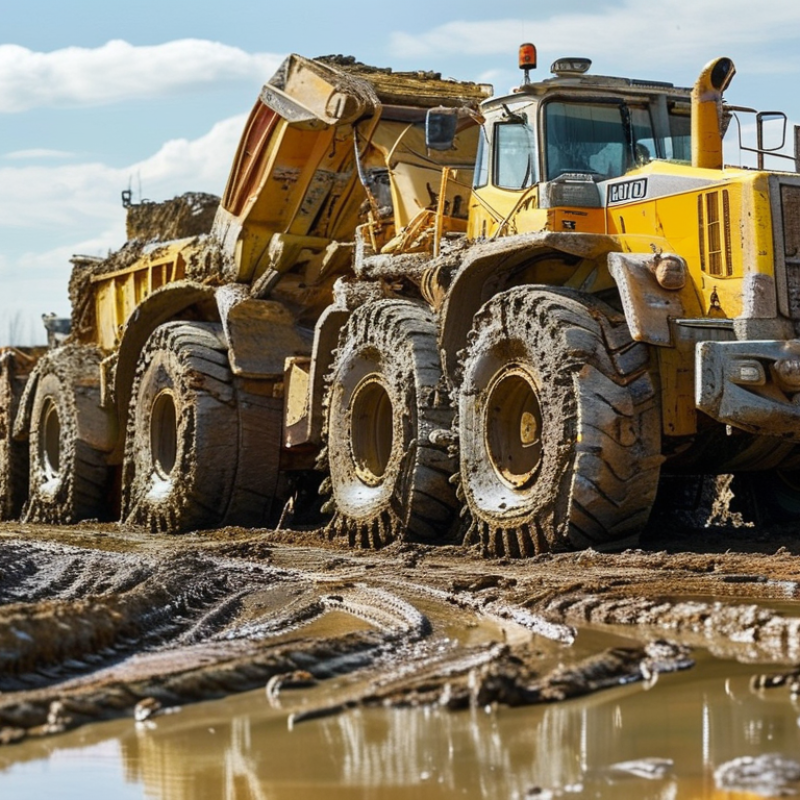
What Makes a Heavy-Duty Traction Tire Suitable for Construction?
A construction traction tire must grip loose soil, wet concrete, and broken stone without losing stability. NIOSH reported that forklift overturns caused about 25% of forklift-related deaths. That figure makes sidewall strength and predictable handling more than purchasing details.
Tread design matters first. Deep, open lugs can clear mud, while closely spaced blocks often perform better on finished slabs. However, excessive voids may increase vibration and reduce contact on hard surfaces. OSHA estimates that forklifts cause about 85 deaths and 34,900 serious injuries yearly in the United States. Its guidance also requires regular tire inspections, including damage, pressure, and separation checks. A suitable Forklift Cushion Traction Tires solution should resist chunking, punctures, and heat buildup during repeated loading cycles.
Load rating must match the machine, attachment, and actual cargo, not only the brochure’s headline capacity. Construction yards often mix compacted gravel with smooth indoor flooring. That mixed route exposes weak compromises. A softer compound may improve grip but wear quickly under heavy turning. A harder compound may last longer yet slide on dust-covered concrete. Field experience suggests checking tread condition at every shift, but this habit is sometimes skipped when schedules tighten. That assumption needs testing. Temperature, axle load, travel speed, and turning frequency should be recorded before selecting the final tire specification.
7 Best Heavy Duty Traction Tires for Construction? - What Makes a Heavy-Duty Traction Tire Suitable for Construction?
| Rank | Heavy-Duty Tire Type | Typical Construction Sizes | Common Load or Ply Range | Tread Pattern and Depth | Traction Performance | Resistance to Job-Site Damage | Best Construction Use | Important Selection Factor |
| 1 | Deep-Lug Radial Earthmover Tire | 17.5R25, 20.5R25, 23.5R25, 26.5R25 | Heavy-duty radial construction; commonly available in high load ranges | Deep, widely spaced lugs designed to clear mud and loose material | Excellent | Very good resistance to cuts, chips, and casing fatigue when correctly specified | Wheel loaders, articulated dump trucks, and quarry loading areas | Choose a tread depth and compound suited to the ratio of loading, hauling, and travel work |
| 2 | All-Terrain R-4 Industrial Tire | 12.4-24, 14.9-24, 16.9-28, 18.4-30 | Typically 8- to 12-ply equivalent construction, depending on size | Moderately deep industrial lugs with a broad, stable footprint | Very Good | Good sidewall protection and balanced resistance to abrasion on mixed surfaces | Backhoe loaders, telehandlers, compact wheel loaders, and general site work | A strong choice when the machine moves frequently between paved and unpaved surfaces |
| 3 | Severe-Service L-5 Rock Tire | 20.5-25, 23.5-25, 26.5-25, 29.5-25 | Extra-heavy carcass; often produced in very high ply or load ranges | Extra-deep, closely spaced lugs with substantial rubber protection | Excellent | Highest protection against sharp rock, impact, and tread chunking | Rock quarries, demolition sites, recycling yards, and severe abrasive ground | Its heavy design can increase rolling resistance, heat buildup, and fuel consumption on long hauls |
| 4 | Mud-and-Clay Traction Tire | 14.00R24, 16.00R25, 18.00R25, 21.00R25 | Heavy-duty radial or bias construction with reinforced sidewalls | Open directional lugs that promote self-cleaning in mud and clay | Very Good | Good resistance to mud packing and moderate cut damage; less suitable for sharp rock | Wet excavation sites, earthmoving projects, embankments, and soft ground | Confirm that the open tread will not create excessive vibration or rapid wear on hard pavement |
| 5 | Compact Loader Block-Tread Tire | 10-16.5, 12-16.5, 14-17.5, 15.5-25 | Heavy-duty 8- to 14-ply options are common for compact equipment | Reinforced block or bar tread with a flat, stable contact area | Good | Strong resistance to scuffing and punctures for its size | Skid-steer loaders, compact track-loader attachments, material handling, and landscaping | Select a tire that matches the machine’s rated operating capacity and rim specification |
| 6 | Smooth-Base Stabilized Traction Tire | 17.5R25, 20.5R25, 23.5R25 | High-load radial construction with a reinforced base and sidewall area | Moderate traction lugs combined with a broad, durable center contact zone | Very Good | Good protection against uneven wear, heat, and repeated loading cycles | High-cycle loading, stockpiles, transfer yards, and mixed hard-packed surfaces | Favors stability and service life over maximum mud penetration |
| 7 | Steel-Belted Cut-Resistant Radial Tire | 23.5R25, 26.5R25, 29.5R25, 35/65R33 | Reinforced radial casing with steel-belt protection and high load capacity | Deep industrial tread with a cut-resistant compound and reinforced shoulder zones | Excellent | High resistance to penetrations, tread cuts, and casing damage in abrasive conditions | Quarries, concrete recycling, demolition, and heavy material stockpiling | Regular pressure checks and removal of embedded debris are essential for maximizing casing life |
Selection note: A suitable construction traction tire should combine the correct load capacity, tread depth, cut resistance, sidewall protection, heat performance, and compatibility with the machine’s rim and operating conditions. Actual load limits depend on tire size, inflation pressure, speed, axle load, and the manufacturer’s technical data.
How to Match Tire Design With Construction Site Conditions
7 Best Heavy Duty Traction Tires for Construction?
How to Match Tire Design With Construction Site Conditions
The “best” traction tire depends on the ground beneath it. On broken concrete, choose deep lugs, reinforced sidewalls, and a cut-resistant compound. Sharp rebar punishes exposed casings. A tire with strong bead protection also helps during tight loading turns. The Tire and Rim Association’s 2024 Year Book provides load tables for matching tire capacity with axle weight and inflation pressure. Never select tread alone. An overloaded tire can fail before its tread looks worn.
Mud needs open voids that release clay instead of carrying it around the site. Loose sand may require a wider footprint and lower ground pressure. Rocky haul roads demand tougher carcass construction, even when traction appears adequate. Heat matters too. Long transport cycles can build internal temperature, especially with heavy loads and insufficient inflation. Field checks should include pressure, sidewall cuts, lodged stones, and uneven wear.
Construction remains a high-risk work environment. The U.S. Bureau of Labor Statistics reported 1,075 fatal occupational injuries in construction during 2023. Tires cannot remove every hazard, but correct selection reduces avoidable instability and downtime. The U.S. Tire Manufacturers Association reported about 256 million scrap tires generated in 2021, with roughly 71% directed to end-use markets. Longer service life matters. Still, my own site rule is imperfect: deeper tread is not always better. It may reduce cleaning and increase heat. A wet clay test, load calculation, and operator feedback should challenge the first choice.
Best All-Terrain Traction Tires for Mixed Construction Surfaces
7 Best Heavy Duty Traction Tires for Construction?
Best All-Terrain Traction Tires for Mixed Construction Surfaces
Construction sites rarely offer one predictable surface. A loader may move from loose gravel to wet clay, then cross unfinished concrete. All-terrain traction tires need a balanced tread pattern, strong casing, and dependable sidewall protection for these changes. Deep voids can clear mud effectively, while reinforced tread blocks help maintain grip on sharp aggregate. However, extremely open tread designs may feel unstable on paved access roads.
Load capacity matters as much as traction. Check the tire’s rated load against the machine’s actual weight, attachments, and working speed. A tire carrying too much weight can generate heat and suffer uneven wear. Correct inflation is equally important. Underinflation improves surface contact but can damage the sidewall. Overinflation reduces flex and may weaken grip on uneven ground.
Site inspections often reveal the real difference. Look for cuts between tread blocks, exposed cords, and stones lodged in the grooves. Rotate or replace tires when wear becomes uneven. A practical compromise is sometimes necessary. The deepest tread is not always the best choice for mixed construction surfaces. Some operators also overlook steering response on hard ground. That mistake can increase fatigue during long shifts. No tire performs perfectly everywhere. Surface conditions, axle load, weather, and maintenance still influence every result.
7 Best Heavy-Duty Traction Tire Types for Construction
Comparative traction suitability for mixed construction surfaces. Ratings use a 1–10 scale based on tread openness, void ratio, sidewall protection, flotation, and resistance to cuts and punctures.
Higher scores indicate better expected traction on the listed surface. These are indicative engineering ratings rather than results from a single standardized tire test; actual performance depends on tire size, inflation pressure, axle load, speed, weather, and site conditions.
Best Mud-Terrain Tires for Soft and Unstable Ground
On construction sites, soft ground can swallow ordinary tires within minutes. Mud-terrain tires need deep, open tread blocks that clear clay, sand, and wet soil as they rotate. Strong sidewalls also matter near broken concrete and sharp gravel. Field experience shows that lower tire pressure can improve flotation, but excessive deflation invites sidewall damage. It is a useful balance, not a fixed rule.
Tips: Check the load rating before installation. Match tire pressure to the machine, load, and surface. Inspect tread gaps after every muddy shift. If mud remains packed between the lugs, traction will drop quickly. High-Traction Solid Wheels may resist punctures, but they are not always ideal for deep, unstable mud. Their stiffness can reduce surface contact and create a rougher ride.
Choose tires according to the ground you actually face, not the most dramatic product photograph. Wide footprints usually spread weight across soft soil, while aggressive shoulders help maintain control on slopes. Still, large lugs can disturb finished surfaces and increase vibration on paved routes. No tire performs perfectly everywhere. That limitation deserves honest attention. Operators should also consider axle loads, machine speed, steering response, and local temperature changes. A tire that grips well at dawn may behave differently after the soil dries. Regular inspections remain essential, even with heavy-duty construction tires.
Best Rock-Resistant Tires for Rough Construction Sites
Construction sites punish tires with sharp rock, broken concrete, steel fragments, and wet clay. The best heavy duty traction tires need cut-resistant rubber, reinforced sidewalls, and deep, self-cleaning lugs. A strong casing also helps prevent punctures when machines cross uneven ground.
For rough construction sites, seven tire designs deserve attention: deep-lug earthmover tires, rock-resistant radial tires, reinforced loader tires, all-terrain traction tires, solid construction tires, flotation tires, and heavy-duty bias tires. Deep lugs improve grip on loose soil. Rock-resistant casings reduce damage from sharp stone. Reinforced loader tires handle heavy buckets and repeated turning. Solid tires resist punctures, but they can transmit more vibration to the machine.
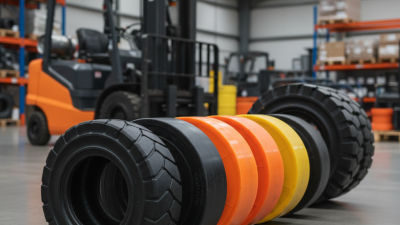
Heavy-Duty Tires Vs Air-Filled Tires is an important comparison. Air-filled tires usually provide better ride comfort and traction over changing ground. Solid tires offer dependable puncture resistance near demolition debris. The correct choice depends on machine weight, travel speed, load cycles, and site hazards. Check the tread after each shift. Look for sliced lugs, exposed casing, or uneven wear. Small damage can grow quickly.
In field inspections, pressure errors often caused more trouble than poor tread design. That part is easy to overlook. Operators should follow the tire maker’s load and pressure guidance, while adjusting carefully for temperature and terrain. No tire is truly rock-proof. A cautious route still protects equipment better than aggressive driving.
Best Load-Bearing Tires for Heavy Machinery and Hauling
7 Best Heavy Duty Traction Tires for Construction
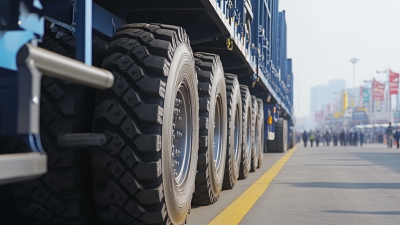
Selecting load-bearing tires requires more than choosing the deepest tread. Tire and Rim Association load tables connect carrying capacity with inflation pressure, speed, and axle position. That relationship matters when a loader carries wet soil across broken ground.
Heavy-Duty Solid Tires resist punctures and support steady loads, but they can transmit more vibration to the machine. Radial earthmover tires usually offer better heat control and footprint flexibility. Bias tires remain useful where sidewall cuts and rough, low-speed work dominate. Deep-lug traction tires improve grip in mud, while block-pattern designs may reduce vibration on mixed surfaces.
A practical shortlist should include solid, radial, bias, flotation, deep-lug, rock-service, and all-terrain constructions. Check the tire’s rated load against the machine’s actual axle weight, not its advertised payload.
The U.S. Bureau of Labor Statistics recorded 1,075 fatal construction work injuries in 2023. Tire stability cannot solve every hazard, but correct selection supports safer handling and braking. Inspect pressure before each shift. Look for exposed cords, uneven wear, and lodged steel or stone.
Small details matter. A tire may carry the load yet perform poorly on a steep ramp. I would recheck the choice after observing heat buildup, steering effort, and wheel-rim movement. That review is often missed.
The 2024 Tire and Rim Association Year Book remains a useful reference for matching cold inflation pressure with load capacity. Operators should also record operating hours, surface conditions, and repeated overload events. Those imperfect records can reveal whether the selected Heavy-Duty Solid Tires truly fit the job.
How to Compare Durability, Safety, Cost, and Maintenance Needs
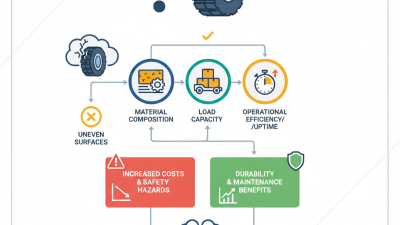
Choosing among seven heavy-duty traction tires requires more than comparing tread depth. On construction sites, a tire must resist cuts, heat, heavy loads, and constant braking. Start by checking casing strength, tread design, load rating, and sidewall protection. Deep, open lugs usually clear wet clay well, but they may wear faster on paved access roads. That trade-off matters. Durability is not simply thick rubber. A reinforced tire with stable handling can reduce punctures and machine downtime. During inspections, look for exposed cords, uneven wear, trapped stones, and shoulder damage. These details often reveal poor alignment, incorrect pressure, or overloading.
Safety deserves equal attention. Traction should remain predictable when a loader turns on loose gravel or descends a damp ramp. Compare braking stability, sidewall resistance, and performance under the machine’s actual load. Do not rely on tread depth alone. A worn tire can still look acceptable from a distance. Pressure checks should follow the equipment manual and daily operating conditions. Cold morning readings can differ sharply after hours of hauling.
Cost comparison should include fuel use, repairs, replacement intervals, and lost working hours. I once focused too heavily on purchase price, and the cheaper option demanded more maintenance than expected. That judgment was incomplete. Still, expensive tires are not automatically better. Ask suppliers for verified load data, service guidance, and warranty terms. Record operating hours and wear patterns every week. Small records make unclear decisions easier to challenge.
China Solid Tires for Skid Steer Loaders: Insights from Grand View Research and Off-Highway Research Reports
China’s solid-tire market for skid steer loaders is gaining attention as equipment users seek improved durability, lower maintenance, and dependable performance in demanding environments. Insights associated with Grand View Research and Off-Highway Research reports highlight the importance of tire solutions that support compact construction equipment, material handling, landscaping, recycling, and agricultural operations. Solid tires can reduce puncture-related downtime and provide stable support when skid steer loaders work on rough surfaces, debris-filled sites, warehouses, and industrial yards.
Yantai WonRay Rubber Tire Co., Ltd. is a China-based manufacturer and supplier specializing in the research, development, production, and sales of high-quality solid tires. Its product range includes solid pneumatic tires, press-on band tires, and cured-on or mold-on tires for forklifts, loaders, scissor lifts, trailers, mining, ports, and other industrial applications. For skid steer loaders, the company offers 10-16.5 and 12-16.5 solid tires, also available for applications using the 30x10-16 and 33x12-20 dimensions. Manufactured in a modern facility, these tires are designed to deliver strong load support, wear resistance, and consistent operation while helping users control maintenance demands across challenging working conditions.
FAQS
Deep, open lugs help clear clay, sand, and wet soil during rotation. Wide footprints spread machine weight across soft ground. Large lugs can still disturb finished surfaces. No tire works perfectly everywhere.
Reinforced sidewalls resist cuts from broken concrete and sharp gravel. They also support heavy loads during turning. Inspect for bulges, cuts, and exposed cords after muddy shifts. Small damage can worsen quickly.
Slightly lower pressure may improve flotation and surface contact. Excessive deflation increases sidewall damage risk. Match pressure to the machine, load, and ground. It is a balance, not a fixed rule.
Check tread gaps after every muddy shift. Remove packed clay and stones between the lugs. Blocked gaps reduce grip quickly. It gets messy.
Puncture-resistant solid wheels can perform well around sharp debris. Their stiffness may reduce contact with deep, unstable mud. They can also create a rougher ride. Not always.
Check casing strength, tread design, load rating, and sidewall protection. Deep tread is useful, but thickness alone does not prove durability. Look for uneven wear, shoulder damage, and trapped stones. Those details reveal problems.
Predictable braking and stable steering matter on loose gravel and damp ramps. Compare sidewall resistance under the machine’s actual load. Follow the equipment manual for pressure checks. A distant visual check can mislead.
Include purchase price, fuel use, repairs, replacement timing, and lost work hours. Record operating hours and tread wear each week. A cheaper tire may demand more maintenance. I once judged too quickly.
Conclusion
Choosing the right Heavy Duty Traction Tires is essential for maintaining safety, productivity, and equipment stability on construction sites. This guide explains the key features that make a tire suitable for demanding work, including strong casing construction, deep tread patterns, reinforced sidewalls, puncture resistance, and dependable load capacity. It also shows how to match tire design to site conditions, whether the job involves mixed paved and unpaved surfaces, deep mud, loose soil, sharp rocks, or frequent heavy hauling.
The article compares all-terrain tires for versatile performance, mud-terrain tires for soft and unstable ground, rock-resistant tires for rugged environments, and load-bearing options for heavy machinery and transport tasks. It also highlights how tread durability, traction, operator safety, purchase cost, fuel efficiency, and maintenance requirements affect long-term value. By evaluating these factors together, construction operators can select tires that deliver reliable performance while reducing downtime and unnecessary replacement expenses.