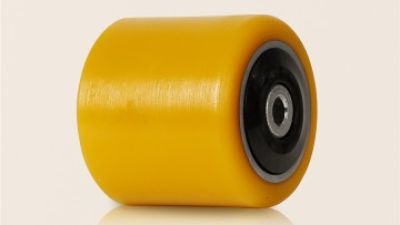
In the ever-changing world of industrial solutions, Self-Healing Rubber Wheels have really started to make a difference. Experts in the field, like Dr. Allen Porter from GreenTech Industries, have been stressing just how important these wheels are. He mentioned, “Self-healing rubber wheels don’t just boost how well equipment works, but they also help it last longer.” These wheels are versatile too — used everywhere from manufacturing plants to transportation, making a pretty big impact.
What’s cool about them is their ability to bounce back from cuts and scratches. That means they’re more durable and help cut down on downtime — which, let’s face it, can really save money on maintenance costs. Still, when it comes to affordability, especially for small businesses, there’s definitely some room for improvement.
While there are quite a few options out there, finding cheap but reliable self-healing rubber wheels isn’t exactly a walk in the park. Many folks are worried about striking that balance between cost and quality. As the industry keeps pushing forward, continuous innovation will be key — finding that sweet spot so these wheels perform well, last long, and won’t break the bank.
Overview of Self-Healing Rubber Wheels and Their Benefits
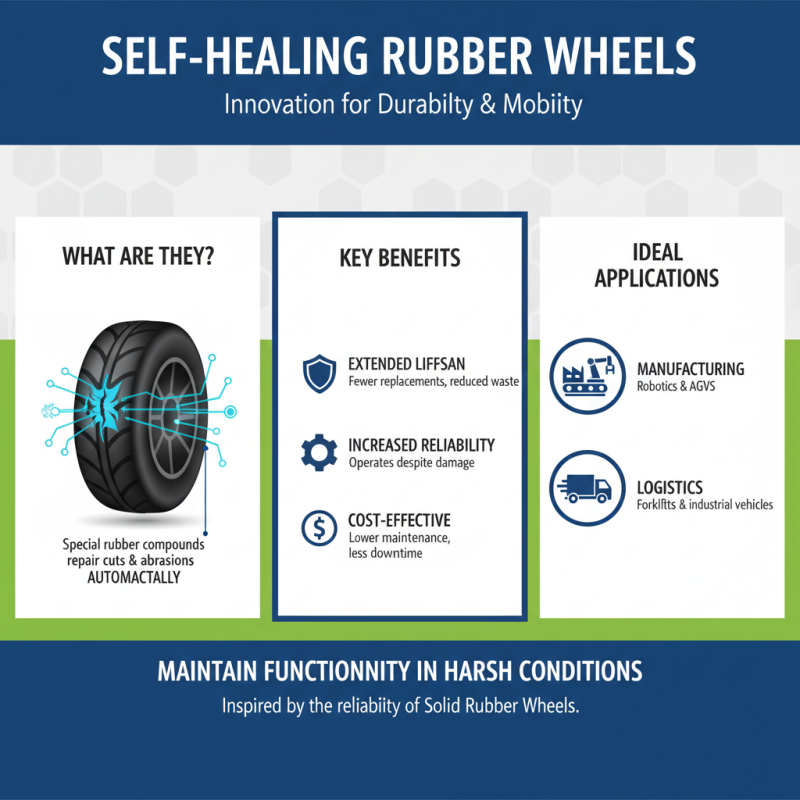
Self-healing rubber wheels have gained significant attention in recent years due to their innovative properties. These wheels can heal from cuts and abrasions, making them ideal for various applications. Research indicates that they can maintain functionality even after enduring harsh conditions. In industries that rely on mobility, such as manufacturing and logistics, durability is essential. Solid Rubber Wheels, a key component in many vehicles, demonstrate this reliability.
According to a report by the Global Rubber Wheel Market, the demand for such advanced materials is expected to grow by 8% annually. This growth is fueled by the desire for more sustainable solutions. End users appreciate self-healing wheels, as they minimize the need for replacements. While these wheels may be more expensive upfront, they prove cost-effective over time due to reduced maintenance.
However, not all self-healing rubber wheels are created equal. The healing process uses specialized additives, which may not work as effectively in all environments. Performance can vary based on temperature and exposure to chemicals. It’s essential for potential buyers to consider these factors when selecting the right wheels for their needs. Selecting Solid Rubber Wheels over standard options could lead to better long-term performance. Understanding these nuances can lead to more informed decisions.
Types of Self-Healing Rubber Wheels Available in China
In China, self-healing rubber wheels are gaining popularity due to their durability and versatility. These wheels are engineered to repair themselves when damaged, making them ideal for various applications. You can find different types tailored to meet specific needs such as industrial use, outdoor equipment, or even personal mobility devices.
One popular type is the polyurethane variant. These wheels are known for their resilience. They perform well on rough surfaces and offer shock absorption. Another option is the thermoplastic rubber wheels, which are more suitable for indoor applications. They provide quiet operation and prevent floor damage. Both types have distinct advantages depending on the intended use.
When choosing self-healing rubber wheels, consider the load capacity and environmental conditions. Options vary widely, so it’s essential to assess your specific requirements. Always test the wheels under real-life conditions to ensure they meet your expectations. Maintenance tips include cleaning the wheels regularly to extend their lifespan. Additionally, avoid overloading them to prevent premature wear. Be mindful, since not all wheels are suitable for every surface.
Applications of Self-Healing Rubber Wheels in Various Industries
Self-healing rubber wheels offer remarkable benefits across various industries. These wheels contain a unique material that can repair cuts and punctures automatically. This feature improves longevity and reduces maintenance costs, making them an efficient choice. They can handle heavy loads, providing durability in harsh conditions.
In the automotive industry, self-healing rubber wheels reduce the risk of blowouts. They enhance safety by allowing vehicles to remain operational even after minor damage. In the logistics sector, these wheels are vital for trolleys and carts. Their ability to self-repair minimizes disruptions in operations, leading to more efficient deliveries.
However, while the technology is promising, it is still evolving. Not all self-healing materials are equal in performance. Some may fail under extreme wear or temperature changes. Industries must carefully consider their specific needs before adopting this technology. Understanding these limitations can lead to better decision-making in equipment selection.
Cost-Effectiveness of Cheap Self-Healing Rubber Wheels
When considering cost-effectiveness, cheap self-healing rubber wheels stand out. They provide durability while keeping expenses low. These wheels offer excellent resistance to wear and tear. This makes them ideal for various applications, from furniture to appliances. Many users appreciate how these wheels maintain functionality even after sustaining damage.
Despite their benefits, it’s important to reflect on the limitations. Cheaper options may not always deliver the highest performance. Some users report issues with rolling resistance. If a wheel encounters rugged surfaces, it may underperform. Choosing the right Small Rubber Wheels requires careful consideration of material quality and design.
Manufacturers must balance affordability and functionality. Investing in self-healing technologies can boost performance. Users often must weigh cost against long-term benefits. While self-healing wheels can save money, they shouldn't sacrifice quality. A critical approach helps ensure the best choice for specific needs.
Factors to Consider When Choosing Self-Healing Rubber Wheels
When selecting self-healing rubber wheels, several factors play an essential role. The material quality is paramount. Rubber wheels made from durable, resilient compounds ensure longevity. Look for models that withstand wear and punctures. Moldon Rubber Wheels often exhibit impressive resilience under tough conditions. Their ability to self-heal from minor cuts is particularly beneficial.
Size and load capacity matter as well. Choose a wheel size that fits your specific application. Too small may lead to instability; too large could cause unnecessary drag. Pay attention to the weight these wheels can support. Heavy-duty options may be necessary for industrial use. Consider the surface where these wheels will roll. Softer wheels perform better on uneven terrain, while harder wheels excel on smooth surfaces.
Don’t overlook noise levels. Quiet operation can be critical in noise-sensitive environments. User experiences highlight the importance of testing different products. Some wheels may perform adequately but fail to meet expectations over time. Contemplate reviewing customer feedback before committing. Balancing performance and price is also vital. High quality doesn’t always mean high cost if you choose wisely.
Comparison of Popular Brands and Models in the Market
When considering affordable self-healing rubber wheels, several brands stand out. They offer different models that cater to various needs. Comparing these models can help consumers make informed choices. Many wheels are designed for durability and performance. They excel in various environments, making them versatile for users.
Popular models often feature 8 Solid Rubber Wheels. These wheels provide excellent grip and shock absorption. They work well on uneven surfaces. Users appreciate their smooth movement, which enhances the overall experience. However, some models may wear down quicker than expected. This can lead to a need for early replacements, which may cause consumer frustration.
It's important to research and evaluate options. Look for reviews and user feedback to get a sense of reliability. Some users report that certain models perform better in specific conditions. Investigating these nuances will ensure you select the best fit for your needs. Not all self-healing rubber wheels are created equal, and being informed is key.
Maintenance Tips for Longevity of Self-Healing Rubber Wheels
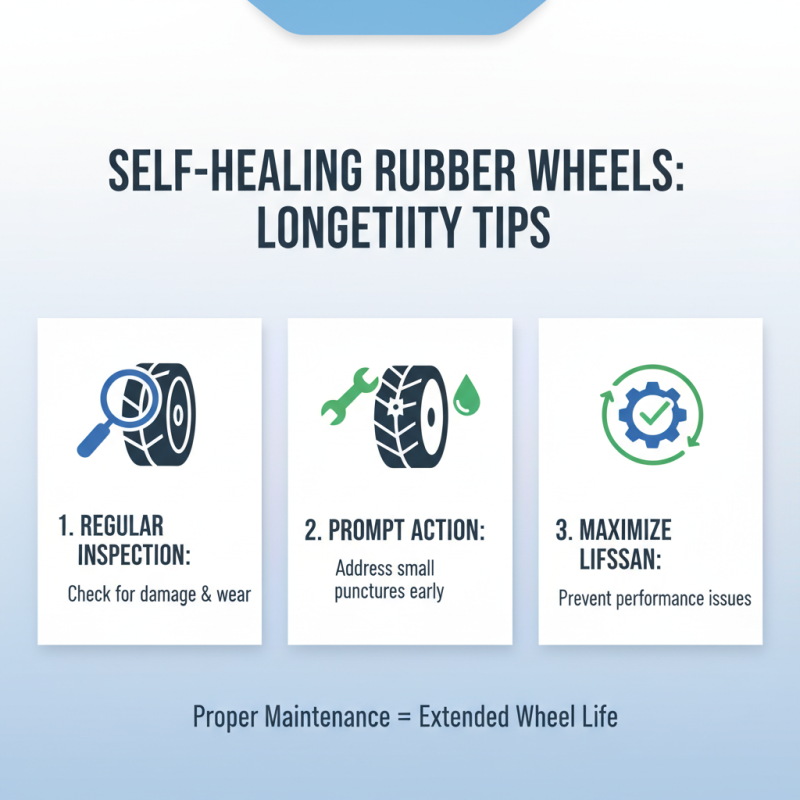
Self-healing rubber wheels offer unique benefits for various applications. However, to maximize their lifespan, proper maintenance is crucial. Regularly inspect the wheels for any visible damages or wear. If you notice small punctures, act promptly. These wheels can often self-repair, but prolonged neglect may lead to performance issues.
Keep the wheels clean. Dirt and debris can hinder their self-repair capabilities. A simple wash with mild soap and water can make a significant difference. Avoid harsh chemicals that could degrade the rubber. Additionally, store the wheels in a cool, dry place to prevent unnecessary deterioration from UV exposure or extreme temperatures.
Inspect the pressure regularly. Inflated wheels ensure better performance and longevity. Flat or under-inflated wheels can cause excessive strain and lead to faster wear. It's essential to follow the recommended pressure guidelines. Take time to reflect on your usage habits. Overloading can also contribute to premature wear. Adjusting your usage can enhance the wheels' durability.
Enhancing Forklift Efficiency: The Impact of Polyurethane Wheels on Jungheinrich Performance Metrics and Longevity
Polyurethane wheels have become a significant enhancement in forklift technology, particularly when considering the efficiency and performance metrics for various models. Designed for durability and reduced noise levels, PU wheels deliver smoother operation and greater traction, which is essential for optimizing handling in busy warehouse environments. This uptick in performance can be directly observed in high-demand models that are widely used in logistics and material handling sectors.
In models such as EJE116-120 and ERC214-220, the adoption of polyurethane wheels leads to extended service intervals and less frequent replacements compared to traditional rubber options. Forklifts equipped with PU wheels, like EJC112 and ERE225, not only improve maneuverability but also promote longer lifespans for both the wheels and the vehicle itself. This transition is particularly beneficial in applications that require agility and swift load handling, contributing to enhanced productivity and overall operational efficiency.
The longevity of polyurethane wheels is further supported by their resistance to abrasion and temperature fluctuations, making them ideal for indoor and outdoor usage. Forklift operators can capitalize on the advantages of PU wheels across a range of models, including ETV214-318 and EKX410-515, ensuring consistent performance metrics that align with modern logistical demands. By enhancing the foundational performance of these forklifts, polyurethane wheels represent a strategic investment for maximizing operational longevity and effectiveness.
FAQS
: Self-healing rubber wheels can automatically repair cuts and abrasions. They maintain functionality in tough conditions.
They reduce maintenance costs and minimize the need for replacements. This makes them cost-effective over time.
Performance can vary based on temperature and exposure to chemicals. Not all wheels perform equally in extreme conditions.
They are commonly used in automotive, logistics, and manufacturing industries. Their durability is crucial for these sectors.
Yes, they can be cost-effective. However, some may not perform as well under extreme wear or rugged surfaces.
Some self-healing materials may fail under specific conditions. It's essential to evaluate their suitability for your needs.
Yes, they reduce the risk of blowouts in vehicles, allowing them to operate post-damage.
Users must assess material quality and design, balancing affordability with performance needs. A critical approach is important.
Users sometimes report issues with rolling resistance, especially in rugged conditions. Quality should not be compromised for cost.
Their increasing demand reflects a shift towards sustainable solutions. More industries may adopt them for enhanced efficiency.
Conclusion
Self Healing Rubber Wheels are innovative solutions designed to automatically repair themselves after incurring damage, offering significant benefits such as prolonged lifespan and reduced maintenance costs. Available in various types, these wheels are employed across multiple industries, including logistics, manufacturing, and healthcare, thanks to their resilience and adaptability.
When selecting the ideal Self Healing Rubber Wheels, it's essential to consider factors like load capacity, wheel diameter, and environmental suitability. Their cost-effectiveness makes them an attractive choice for budget-conscious consumers. Additionally, proper maintenance can enhance the longevity of these wheels, ensuring optimal performance over time. A thorough understanding of available options and best practices can help users make informed decisions tailored to their specific needs.