When it comes to how well your trailer performs, the kind of tires you choose really makes a difference in terms of durability and efficiency. Now, even though Trailer Solid Rubber Tires have been a go-to choice for ages because they’re tough and hard to puncture, there are some really interesting alternatives you might want to check out. In this blog, we’re diving into the best alternatives to solid rubber tires that are specifically crafted for trailers. We’ll explore different industry applications and give you solid reasons why these options could actually be better in some situations. Here at Yantai WonRay Rubber Tyre Co., Ltd., we focus on quality and innovation to meet what our customers need, ensuring that every product not only boosts performance but also keeps safety and reliability in mind. So, stick with us as we unearth some of the top contenders in the tire market that could totally change your trailer game!
Understanding the Limitations of Solid Rubber Tires for Trailers
You know, solid rubber tires have been a go-to choice for trailers for quite a while now. They're super durable and don’t really need a ton of maintenance, which is great. But here’s the thing: knowing their limitations is pretty important if you want your trailer to perform at its best. One major downside of these solid tires is that they’re pretty stiff, which can make for a rough ride, especially when the road gets a bit bumpy. In fact, the Tire Industry Association says that trailers with solid rubber tires can see a 30% bump in vibration and shock compared to good old air-filled tires. This can jeopardize how safe your cargo is and could also lead to some extra wear and tear on the trailer itself.
And let’s talk about traction for a sec. Solid rubber tires really struggle with grip when the weather isn’t cooperating. According to a study from the International Journal of Vehicle Design, these tires can lose up to 25% of their grip on wet or slippery surfaces compared to their air-filled counterparts. That’s definitely something to think about if you’re towing heavy stuff, especially in bad weather. With more folks looking for safer and more efficient trailer options these days, it might be worth checking out alternatives like air-filled or foam-filled tires. They can give you better cushioning and traction, which could really boost your overall performance and safety out there on the road.
Comparative Analysis of Alternative Tire Options for Trailers
Choosing tires for trailers can feel a bit overwhelming, right? Lately, the industry has really started to step away from solid rubber tires, and it pretty much boils down to a couple of key issues - they can be heavy and not exactly the most comfortable ride. When you take a closer look at the alternatives out there, you’ll find some pretty solid options that can boost performance and actually save you some cash in the long run. For instance, a report from Tire Business highlights that air-filled tires are becoming the go-to choice. Why? Well, they've got awesome shock absorption and lower rolling resistance, which can turn into better fuel efficiency. Plus, they help cut down on wear and tear not just on the trailer but also on what you're hauling, which means lower maintenance costs overall.
And then there’s the newer kid on the block: polyurethane tires. These babies bring together the tough-as-nails nature of solid tires with the cushy feel of air-filled ones. A study from the International Journal of Truck and Trailer found that these polyurethane tires can actually outlast traditional rubber tires by up to 25%. That’s great news if you’re doing a lot of long-haul driving! On top of all that, they’re lighter, which can make handling the trailer a breeze and lower the chances of blowouts. So, it’s not just about safety; it's about having that peace of mind while you’re on the road. As trailer tech keeps progressing, it’s clear that these alternatives are getting more attention, especially among fleet managers who are all about keeping performance and durability in check.
Key Technical Specifications to Consider in Trailer Tires
So, when you're looking for alternatives to solid rubber tires for your trailers, you really want to pay attention to some key specs. First off, think about what you actually need based on how you use your trailer and how much weight it carries. Like, if you often load it to the brim, you’d definitely want tires that can handle that hefty load while keeping things stable on the road. Plus, going for tires that are made for fuel efficiency can really help cut down on those long-haul costs. It's a win-win because not only does it boost your overall performance, but it’s also a nice nod to looking after our planet, right?
Now, when it comes to picking the right tires, don’t forget the importance of having them properly inflated. Seriously, investing in some tire pressure management tech can be a game-changer. Keeping your tires at the right pressure can save you some bucks on fuel and make your ride a whole lot safer, not to mention that regular tire pressure checks should be part of your routine. This little habit can help stop uneven wear and actually stretch out the life of your tires.
Another thing to think about is the rolling resistance of those tires. Going for low rolling resistance tires can seriously cut down on the drag your vehicle feels, which means better fuel efficiency overall. Since trailer tires play a big role in that rolling resistance, picking the right ones can really change the game for your fleet’s performance and expenses. Keeping these considerations in mind will definitely help steer you in the right direction when it comes to choosing trailer tires.
A Comprehensive Guide to Pneumatic Tires: Benefits and Drawbacks
If you’re thinking about alternatives to solid rubber tires for your trailer, pneumatic tires are pretty popular these days. They’re those air-filled ones that can really make a difference. What’s great about them is they handle shocks a lot better and they give you better traction on different kinds of terrain. The Tire Industry Association points out that pneumatic tires can actually cut the risk of blowouts by about 30%, thanks to their flexibility to adjust to uneven surfaces. This means you get more stability while towing, which is a big plus. But, of course, they're not perfect either. You have to watch out for air leaks and punctures, which can make maintenance a bit of a chore.
A good tip? Keep an eye on your pneumatic tires for air pressure and any wear and tear to make sure they’re performing at their best. When you keep them properly inflated, not only do you save on fuel, but you also extend their lifespan, which is always a win. And don’t forget, the type of tires you choose should really fit the load of your specific trailer. It’s all about safety and avoiding unnecessary wear.
While a lot of folks go for pneumatic tires because of how comfy and adaptable they are, it’s super important to balance those perks against their weaknesses. Investing in some high-quality tires with puncture-resistant features can definitely help with that. So, by keeping up with maintenance and picking out good products, you can enjoy the best of what pneumatic tires have to offer and keep the downsides to a minimum.
And hey, one more thing: you might want to think about getting a tire pressure monitoring system (TPMS). This little gizmo helps you keep tabs on the air pressure in real time, which could save you from a headache down the road during transport.
Exploring the Best Alternatives to Solid Rubber Tires for Trailers - A Comprehensive Guide to Pneumatic Tires: Benefits and Drawbacks
| Tire Type | Benefits | Drawbacks | Best Use Cases |
| Pneumatic Tires | Better shock absorption, improved traction, lighter weight | More prone to punctures, requires regular air pressure checks | General-purpose trailers, off-road use |
| Airless Tires | No air pressure maintenance, puncture-proof | Rough ride quality, heavier than pneumatic tires | Construction sites, heavy-duty applications |
| Solid Tires | Extremely durable, no air pressure concerns | Poor shock absorption, harder ride | Warehouse use, short hauls on smooth surfaces |
| Foam-Filled Tires | Puncture resistant, maintains consistent pressure | More expensive, can be heavier | Landscaping, light construction |
| Hybrid Tires | Combines benefits of pneumatic and solid, versatile | Can be expensive, not as commonly available | Mixed-use scenarios, off-road and urban environments |
Exploring Foam-Filled Tires: Are They a Viable Option?
Okay, so when you're on the hunt for the right tires for your trailer, you really might want to consider foam-filled tires. They've become quite the game-changer! These tires offer the same tough durability as solid rubber, but they’re lighter, which can do wonders for your fuel efficiency. If you’re someone who often navigates bumpy trails or worries about punctures, foam-filled tires are pretty awesome since the foam cushions everything and means you won't have to stress about getting flats.
**A few tips:** First off, when you’re looking into foam-filled tires, make sure you stick with a good, reputable manufacturer that knows their tire stuff. It can really make a difference in how long the tires last and how well they perform. Also, don't forget about keeping your tires at the right pressure! Trust me, if they're not inflated correctly, it can lead to uneven wear and cut down their lifespan.
Another thing to pay attention to is how the weight is distributed in your trailer. Foam-filled tires come in different load capacities, so it’s a smart move to pair them with your trailer's weight needs, which boosts both stability and safety while you're on the road. And, of course, proper installation and alignment are key—I definitely recommend chatting with a pro to make sure you get the best performance out of those foam-filled tires.
Comparison of Tire Performance Metrics for Trailers
Choosing the Right Tire: Factors Influencing Your Decision
Choosing the right tires for your trailer—especially if you're thinking about alternatives to solid rubber—can be a bit tricky. There are a few important things to keep in mind to make sure you get the best performance and stay safe on the road. First up, think about where you'll be taking your trailer and how much weight it'll be hauling. If you’re planning on tackling some bumpy trails, you'll definitely want tires with a solid tread pattern and good durability. On the flip side, if you’re carrying a heavier load, then go for tires that can handle that stress without wearing out too quickly.
And then there's the use of the trailer to consider. Are you using it just for fun, or is it a heavy-duty worker? The materials and design of the tires can really affect how comfortable your ride is and how much maintenance you'll have to do. For light-duty trailers on smooth surfaces, air-filled tires can make everything feel a lot nicer since they handle bumps well. But if your trailer’s going to be put through tougher conditions, things like foam-filled or specialty tires might be the better choice—they last longer and are way better at resisting punctures. So, keeping all these points in mind will help you pick the tires that really fit your needs and boost your trailer's performance—it's all about getting what works best for you!
Maximizing Efficiency: The Advantages of Solid Tires for Empty Container Handlers
Maximizing Efficiency: The Advantages of Solid Tires for Empty Container Handlers
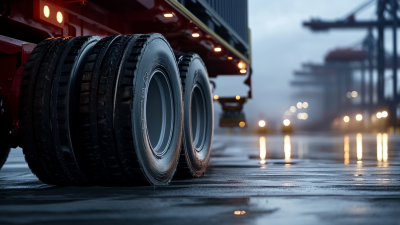
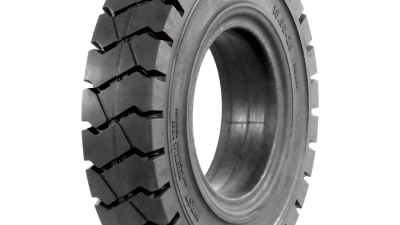
In the fast-paced environment of port operations, maximizing efficiency is critical. Solid tires for empty container handlers present a range of advantages that can significantly enhance operational productivity. Specifically designed with high-performance base rubber, these tires ensure superior stiffness and an exceptional fit to the tire rim, which translates to better handling and stability under heavy loads. Reports indicate that a proper tire fit can improve vehicle performance by up to 20%, directly influencing loading and unloading cycles at busy docks.
Moreover, the innovative intermediate rubber used in solid tires minimizes heat generation, even under demanding conditions. With high temperature resistance, the tires maintain operational effectiveness in various climates and terrains typical of vital maritime hubs. Studies within the industry suggest a reduction in tire-related downtimes by as much as 30% when utilizing tires engineered with advanced materials that dissipate heat efficiently. This not only extends the service life of the tires but also contributes to more reliable and consistent operations throughout the day.
Different operating environments in ports necessitate tailored solutions, which is where the versatility of solid tires shines. By employing varied tread structures and patterns based on specific port requirements, operators can enhance traction and durability. This customization capability serves industries with demanding standards, ensuring that empty container handlers remain agile and efficient, ready to tackle any logistical challenge thrown their way.
FAQS
: Solid rubber tires are popular for their durability and low maintenance requirements.
A significant drawback is their stiffness, which can lead to a harsh ride and increased vibration and shock impact on uneven surfaces.
Trailers equipped with solid rubber tires may experience a 30% increase in vibration and shock impact.
Solid rubber tires can reduce grip on wet or slippery surfaces by up to 25% compared to air-filled tires, posing safety risks during towing.
Alternatives include air-filled tires and foam-filled tires, which offer better cushioning and traction.
Air-filled tires provide superior shock absorption, lower rolling resistance, better fuel efficiency, and reduced wear and tear.
Polyurethane tires can last up to 25% longer than traditional rubber tires.
They combine the durability of solid tires with the cushioning of air-filled tires, improve handling, and reduce the risk of tire blowouts.
Fleet managers seek to optimize performance, enhance safety, and reduce maintenance costs through better tire choices.
The increased vibration and shock impact from solid rubber tires can compromise cargo safety.