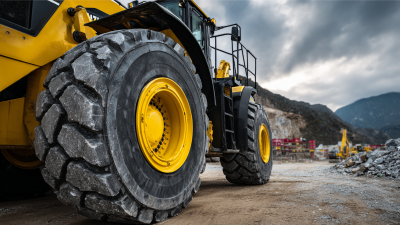
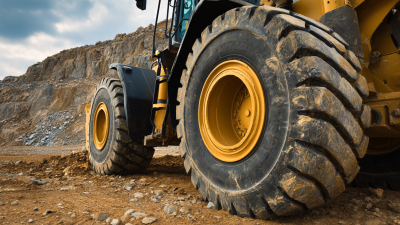
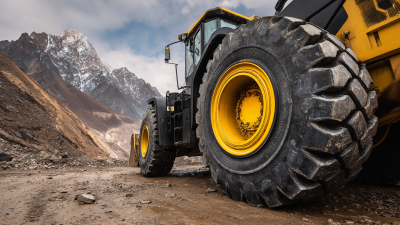
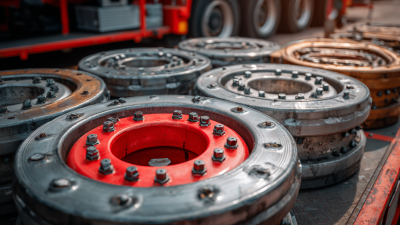
You know, these days, the construction and mining sectors are really starting to see how important it is to get their equipment running smoothly. Turns out, using the right tires can make a big difference—helping things run more efficiently and cutting down on those pesky downtime moments. I came across a report by Grand View Research that says the global market for solid tires is expected to hit around USD 2.12 billion by 2025. That’s mainly because folks are looking for tires that last longer and cost less to maintain.
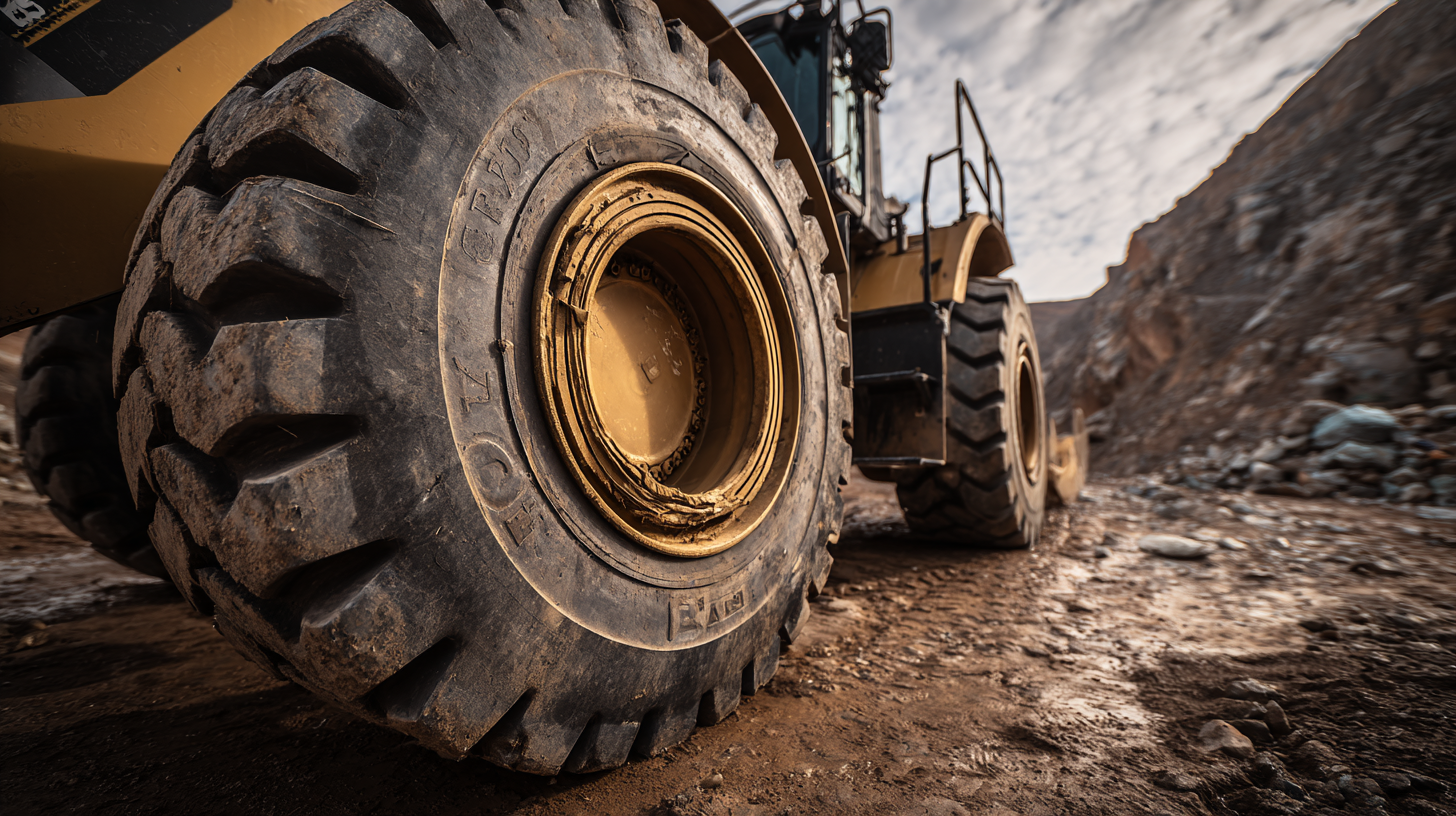
Oh, and Wheel Loader Solid Tires? They’re really becoming popular because they handle tough terrains and heavy loads pretty well, which means more work gets done and everyone stays safer on site. Yantai WonRay Rubber Tyre Co., Ltd. is big on quality and innovation—they focus on what their customers need and make sure every tire two exceeds standards. By understanding how these solid tires can boost performance, operators aren’t just making their jobs easier—they’re also helping their overall operations run a lot smoother. Honestly, in today’s competitive world, that kind of edge can make all the difference.
Understanding Wheel Loader Solid Tires: Key Features to Enhance Performance
Wheel loader solid tires might not be the first thing that comes to mind, but they actually play a pretty big role in how well heavy machinery performs. These tires are built tough so they can handle rough conditions—think construction sites or landfills—without giving up. They offer great durability and grip, which are super important when you're working in varied and demanding environments. The market for solid tires is growing, and it’s interesting to see how options like cured-on, pressed-on, and non-marking tires serve different needs. Picking the right tire isn't just about fit—it can save you a ton on operating costs. In fact, studies suggest that choosing the wrong tires can lead to more failures, which slows down your work and drags down overall productivity.
When you’re selecting solid tires for your wheel loader, it's crucial to think about what your jobsite really demands. For example, if you're dealing with landfill work or hauling, heavy-duty tires tend to give better stability and traction—pretty much essential for tough jobs. A recent industry report even mentioned that using solid tires can boost durability by around 5%. That means you can work faster, carry bigger loads, and spend less time fussing over tire issues. Plus, these tires usually need less maintenance, which is a big bonus when you're trying to keep costs down.
A couple of tips: Make sure to check your loader’s lifting capacity, horsepower, and size before buying new tires. Getting these specs right—along with choosing the appropriate tire type—makes a huge difference in the performance you get. And if you're working in sensitive environments, investing in newer tire tech like non-marking options can really help protect surfaces and cut down on long-term expenses related to repairs and replacements.
The Advantages of Solid Tires Over Pneumatic Tires for Wheel Loaders
Switching from pneumatic to solid tires for wheel loaders really brings some pretty noticeable benefits, especially when it comes to better performance and efficiency. You know, solid tires—like cured-on or pressed-on types—ditch the whole issue of punctures that pneumatic tires tend to have. That’s a big deal in tough jobs like waste management or construction sites, where downtime can really hit hard. Industry folks are actually saying that the global market for solid tires is on the rise, which makes sense since everyone’s looking to cut costs and avoid those constant maintenance headaches that come with traditional tires.
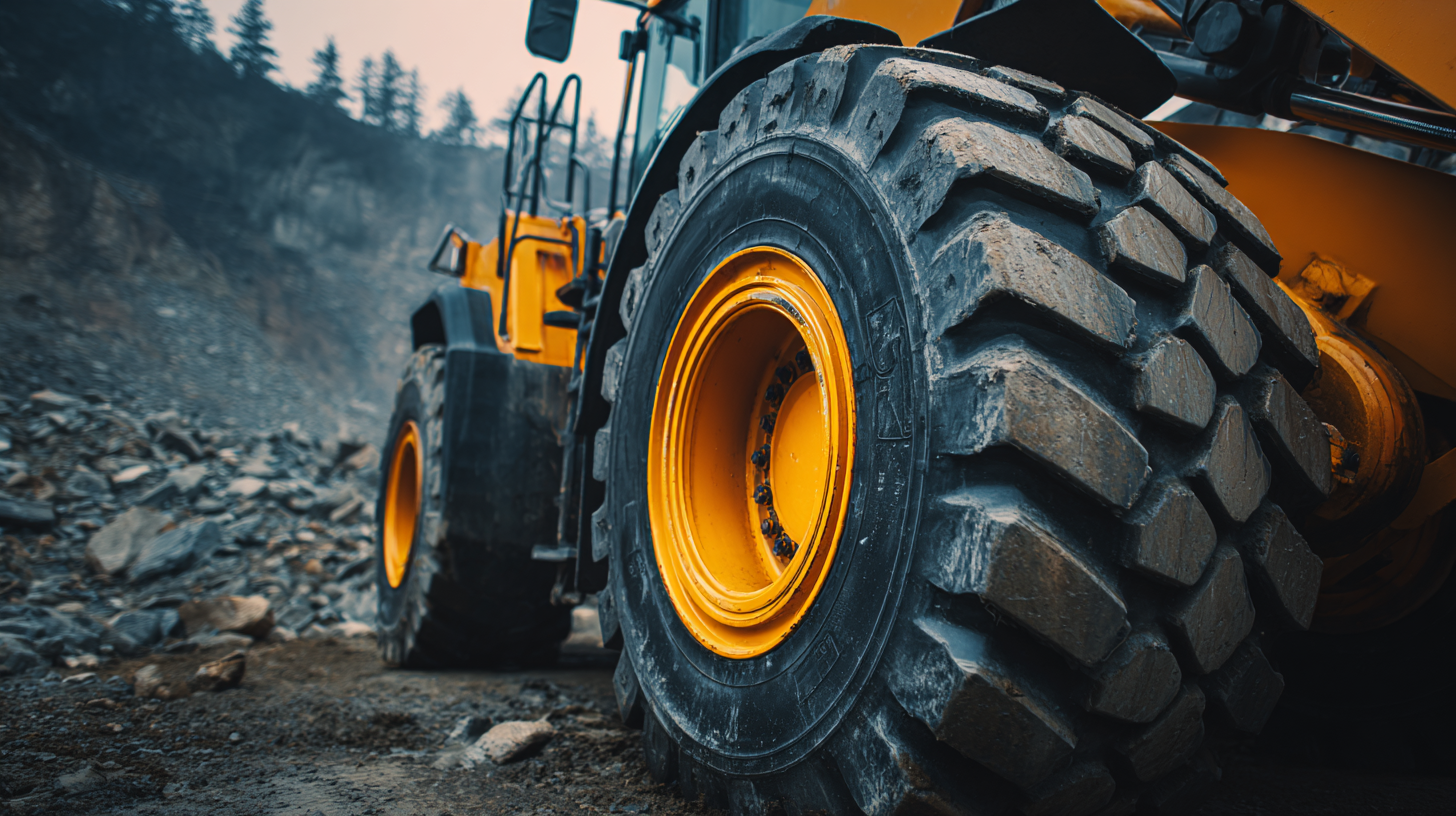
When you’re running heavy machinery like wheel loaders, going with solid tires can really help distribute the load better and keep things stable. This is especially true in places like transfer stations, where stuff like recyclables is always being moved around. A little tip—regularly checking your tires for wear and making sure they’re aligned properly can really extend how long they last and keep your operation running smoothly. Plus, it can save you money in the long run.
On top of that, newer tire tech like airless designs are popping up, showing that the industry is moving forward. These newer options could boost safety and make things more efficient overall. And with the OTR tire market expected to grow, companies are always on the lookout for high-performance tires that fit their specific needs. As Yantai WonRay Rubber Tyre Co., Ltd. puts it, 'quality first,' so investing in solid tires is a smart move if you want to ramp up productivity, especially on rough terrains that wheel loaders often face.
Boosting Productivity: How Solid Tires Improve Load Handling Efficiency
You know, solid tires for wheel loaders have really gained popularity lately, and for good reason. They’re great at boosting how efficiently you can handle loads. Designed tough, these tires can take some serious punishment, giving you better grip and stability on rough terrains. Unlike those traditional pneumatic tires, solid tires don’t have to worry about punctures, which means operators can focus more on getting the job done without frequent tire repairs. Their durability means the loader can handle heavy loads without sacrificing performance or safety—that’s a real win!
That said, if you're using solid tires, a little maintenance can go a long way. Just make sure to check the tire pressure regularly and keep an eye on how the load is distributed across the wheels. Overloading can really mess with the lifespan and efficiency of the tires, so always stick to the manufacturer’s guidelines about load limits.
Oh, and a quick tip—don't forget about rotating those tires periodically. It helps prevent uneven wear and keeps them lasting longer, which means you get consistent performance over time. Plus, one of the coolest things about solid tires is how well they grip on uneven or slippery surfaces. So, whether you’re working on a tricky job site or tough terrain, they give you that extra bit of confidence to navigate things smoothly.
Cost-Effectiveness of Solid Tires: Long-Term Savings for Operators
When it comes to boosting performance and efficiency in construction and industrial work, many operators are turning to solid tires for their wheel loaders. Honestly, what makes these tires quite appealing is how they save money in the long run. Unlike the pesky pneumatic tires that can get punctured or worn out easily, solid tires are pretty much built tough—they resist punctures and abrasions, which means less time and money spent on repairs and replacements. That kind of durability helps keep things running smoothly, so projects stay on schedule and don’t blow your budget.
And here’s the thing—solid tires tend to last way longer than traditional ones. Sure, they might cost a bit more upfront, but when you think about the longevity, it’s totally worth it. You end up spending less on new tires, avoid the hassle of frequent changes, and cut down on waste. In the end, choosing solid tires isn’t just about performance; it’s actually a smart financial move that can really help get your costs under control and boost overall efficiency.
Exploring the Benefits of Using Wheel Loader Solid Tires for Enhanced Performance - Cost-Effectiveness of Solid Tires: Long-Term Savings for Operators
| Aspect | Solid Tires | Air-filled Tires |
| Initial Cost | Higher | Lower |
| Maintenance Frequency | Low | High |
| Durability | High | Medium |
| Lifespan | 5-10 years | 3-5 years |
| Performance Under Load | Excellent | Good |
| Fuel Efficiency | Better | Standard |
| Long-term Savings | High | Moderate |
Maintenance Tips for Maximizing the Lifespan of Wheel Loader Solid Tires
Taking good care of your wheel loader's solid tires is super important if you want them to last longer and perform at their best. It's a good idea to check them regularly — look out for cracks, punctures, or uneven tread wear. Catching those issues early on means you can fix them before they turn into bigger, more expensive problems. Trust me, a little vigilance here can really extend the life of your tires.
Also, don’t forget about keeping the right tire pressure. Inflating them according to the manufacturer's specs helps prevent overheating and uneven wear, which can cut their lifespan short. Rotating the tires every now and then is also a smart move to promote even wear across all of them, boosting overall stability and performance. And lastly, be mindful of where you're operating; avoiding really rough terrain or sharp objects can make a big difference in protecting your tires and keeping them in good shape longer. Basically, a little bit of attention goes a long way!
Selecting the Right Solid Tire: Factors to Consider for Optimal Performance
When you're choosing solid tires for your wheel loaders, there are quite a few important factors to keep in mind that can really impact how well your machine performs and how efficiently it runs. One of the biggest things is the tread pattern—yeah, that design on the tire. The Tire and Rim Association points out that different tread styles can actually make a big difference on how well you grip various terrains, which can help get more work done in less time. 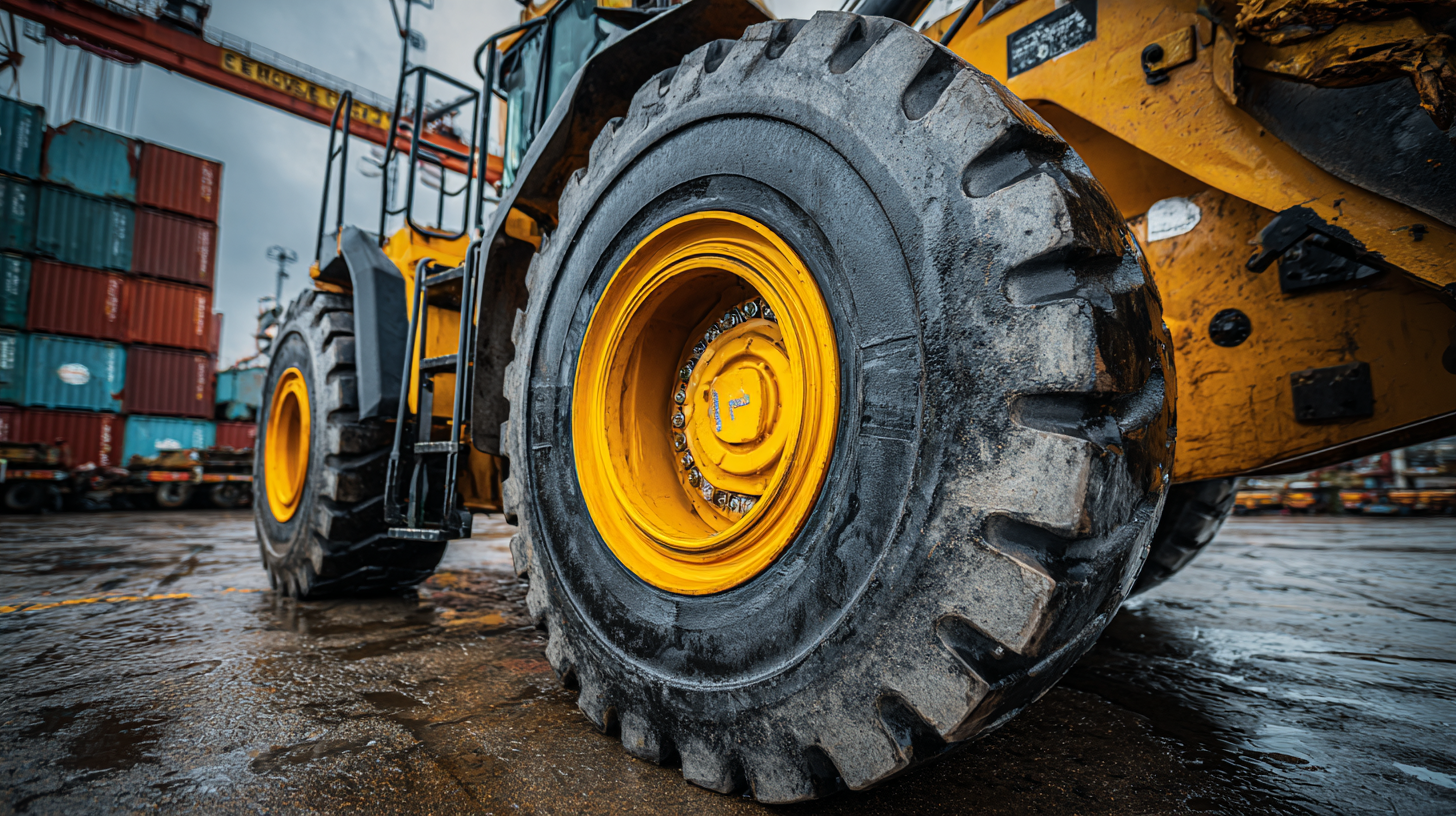 For example, tires with a more complex tread tend to grip uneven or rough surfaces better, leading to shorter cycle times and smoother operation overall.
Then there's the question of load capacity—the amount of weight the tire can handle without fuss. Studies show that choosing the right solid tires can really boost your loader’s capacity to carry heavy loads. Some options can support well over 30,000 pounds! Picking tires that match your specific needs in terms of load can not only extend the lifespan of your equipment but also keep it running at its best.
Oh, and don't forget about the material of the tires, either. High-quality rubber compounds are a game-changer—they stand up better against wear and punctures, meaning less downtime and lower maintenance costs. In fact, according to a study from the National Institute for Occupational Safety and Health (NIOSH), using durable solid tires can bump up your operational efficiency by as much as 20%, especially in rough environments. So yeah, making the right choice here really makes a difference in getting the most out of your wheel loader.
Enhancing Airport Equipment Performance: The Impact of Solid Tires on Safety, Efficiency, and Cost-Effectiveness
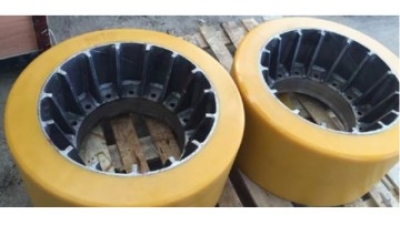
The aviation industry increasingly focuses on enhancing the performance of airport equipment, particularly through the use of solid tires like polyurethane wheels. These wheels are renowned for their durability and flexibility, making them an ideal choice for various applications in airport environments. According to a report by the International Air Transport Association (IATA), operational efficiency in airports can significantly impact overall costs and service quality. By integrating polyurethane wheels into baggage trailers, cargo handling equipment, and ground service machinery, airports can achieve better maneuverability and reduced maintenance costs.
Recent studies indicate that equipment fitted with polyurethane wheels shows a 25% increase in lifespan compared to traditional rubber tires, resulting in lower replacement frequency and reduced waste. Additionally, because of their superior traction and stability, these wheels enhance safety by minimizing the risk of accidents caused by skidding or tire blowouts—critical factors in high-traffic airport settings. The adaptability of polyurethane wheels to various weather conditions further ensures consistent performance, which is vital for maintaining efficient airport operations.
As airports continue to evolve and embrace new technologies, the implementation of polyurethane wheels promises not only to enhance operational efficiency but also to improve the overall passenger experience. This transition aligns with the industry's trend toward cost-effectiveness and sustainability, as reported in the 2022 Airport Industry Economic Impact Report, which highlights a growing emphasis on optimizing equipment performance to support seamless airport functions.
FAQS
: Wheel loader solid tires are designed to enhance the performance of heavy machinery by providing optimal durability and traction, making them suitable for harsh working conditions like construction sites and landfill operations.
Selecting the right solid tires can significantly reduce operating costs, as improper tire selection can lead to increased failure rates, negatively affecting productivity and overall project efficiency.
Key features to consider include the jobsite demands, lifting capacity, horsepower, and size of the loader, as well as the type of tire suitable for specific operational needs.
Solid tires enhance load handling efficiency by providing better traction and stability, with the added benefit of being puncture-proof, which minimizes maintenance and downtime.
Regularly checking tire pressure, ensuring even load distribution, and adhering to the manufacturer's load limits are crucial for maintaining the efficiency and lifespan of solid tires.
Rotating solid tires at regular intervals helps prevent uneven wear and extends the life of the tires, ensuring consistent performance over time.
Solid tires provide superior grip on uneven or slippery surfaces, enabling operators to navigate challenging job sites more efficiently.
Using solid tires can improve durability by up to 5%, leading to increased speed and payload capabilities for wheel loaders.
Investing in non-marking tire options is beneficial as they prevent surface damage and reduce long-term costs associated with tire replacements and repairs.
Unlike pneumatic tires, solid tires eliminate the risk of punctures, allowing operators to focus on productivity instead of maintenance, thus enhancing operational efficiency.
Conclusion
You know, in today’s super competitive world of construction and material handling, Wheel Loader Solid Tires have really become a game-changer. They definitely beat the traditional pneumatic tires in many ways — like handling loads better and lasting longer. Because they’re built tough, solid tires cut down on downtime from flats, so operators can stay productive and save money at the same time. Honestly, investing in these tires pays off in the long run, since they don’t need as much maintenance and tend to last longer. At Yantai WonRay Rubber Tyre Co., Ltd., they really stress the importance of picking the right solid tire for your specific needs. It’s all about making sure you get the best fit for your wheel loader, so everything runs smoothly and efficiently.