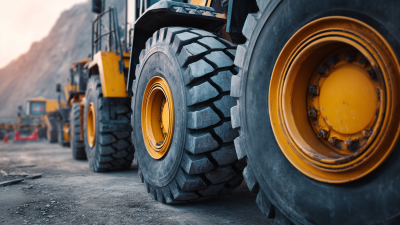
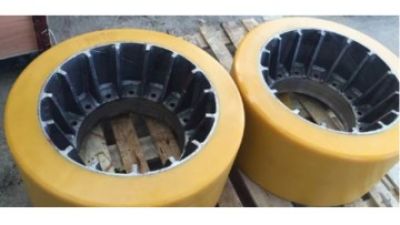
Lately, more and more folks around the world are turning to Solid Rubber Tiresbecause they’re all about toughness and dependability. Did you know that, according to a recent report from MarketsandMarkets, the solid tire market is expected to hit around $3.45 billion by 2025? That’s mainly thanks to industries relying on them for heavy-duty work. Industry hotshot John Anderson from Titan Tire Corporation puts it simply: “Solid Rubber Tires deliver unbeatable performance, especially in tough environments.”
People love these tires because they grip better and are resistant to punctures — perfect for sectors like construction and material handling. A lot of users also mention fewer breakdowns and less downtime, which is a huge plus when you’re trying to keep work moving smoothly. That said, the upfront cost can be pretty steep, so it makes some companies hesitate before making the switch.
But here’s the thing: while they might cost more initially, these tires tend to last way longer than your average rubber tires. Over time, this can really balance out the expense. Like Anderson says, “Yeah, they may seem pricey at first, but the longevity and value they bring are totally worth it.” So, ultimately, buyers need to weigh the immediate costs against the long-term benefits of going solid. It’s all about what makes the most sense for their needs and budget.
Top Benefits of Using Solid Rubber Tires for Global Buyers
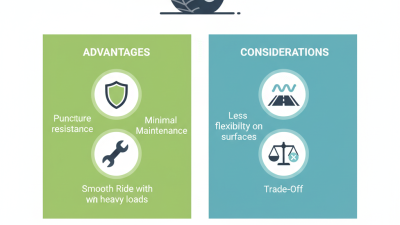
Solid rubber tires have gained popularity among global buyers for various reasons. According to the Rubber Manufacturers Association, solid rubber tires can significantly reduce downtime and maintenance costs. Because they are puncture-proof, businesses save money on replacements. Studies show that industries using these tires can decrease operational disruptions by up to 30%. This is crucial for sectors like manufacturing and logistics, where every hour counts.
The durability of solid rubber tires is another major advantage. Unlike traditional pneumatic tires, they do not deflate or require air pressure management. This reliability leads to increased productivity. A report from the International Tire Industry Association indicates that solid rubber tires can last three times longer than standard tires in industrial settings. Buyers also appreciate their environmental benefits, as these tires are often made from recycled materials, allowing companies to meet sustainability goals.
When considering solid rubber tires, it's vital to think about specific operational needs. Evaluate the environment where the tires will be used. Heavy-duty applications may require specialized products. Researching user reviews can guide the selection process. Consulting experts in tire technology can provide insights on the best choices for particular use cases. Engaging with communities of users can also offer real-world feedback.
Top Benefits of Using Solid Rubber Tires
This chart presents the top benefits of using solid rubber tires, highlighting their durability, puncture resistance, maintenance-free nature, load capacity, and cost efficiency. These advantages make solid rubber tires an ideal choice for various applications across different industries.
Increased Durability and Longevity of Solid Rubber Tires
Solid rubber tires are gaining attention for their remarkable durability and longevity. Unlike traditional pneumatic tires, they do not require inflation. This inherent structure helps eliminate issues like punctures and flats. According to industry reports, solid rubber tires can last up to three times longer than their air-filled counterparts under similar conditions. This longevity can significantly enhance operational efficiency in various sectors, from logistics to agriculture.
Their resilience also means lower maintenance costs. Businesses can save on downtime related to tire replacement. A study highlighted that companies could reduce operational costs by up to 20% by switching to solid rubber tires. However, not all solid rubber tires are made equal. The manufacturing process, material quality, and design innovation play crucial roles in performance. Buyers should ensure they are choosing reliable products that meet industry standards.
While the benefits are clear, there is still room for improvement. The ride comfort may not match that of pneumatic tires, especially on uneven surfaces. Additionally, adaptations in machinery may be necessary to accommodate the difference in tire dynamics. Buyers must weigh these factors against the benefits to make informed decisions.
Cost-Effectiveness: Saving on Maintenance and Replacement
Using solid rubber tires can yield significant cost savings in maintenance and replacement. These tires are designed to withstand harsh conditions, reducing wear and tear. Unlike traditional tires, they don’t require frequent replacements. This durability translates to lower long-term expenses for buyers. Over time, businesses can allocate saved resources to other essential areas.
Regular upkeep is still vital for solid rubber tires. Inspect them frequently for any signs of wear. Make sure to clean the tires to retain optimal performance. Effective care can prolong their lifespan, maximizing your investment. It’s wise to keep a maintenance schedule to avoid unexpected costs later.
In addition, solid rubber tires often have lower operational risks. They are less susceptible to punctures and blowouts. This enhances safety for operators and reduces downtime. However, it's crucial to assess your specific needs. Not every application might benefit from solid rubber tires. Consider factors like load requirements and surface conditions.
Enhanced Safety Features of Solid Rubber Tires in Various Conditions
Solid rubber tires stand out for their safety features across various conditions. Unlike traditional inflatable tires, solid rubber tires eliminate the risk of punctures. This makes them particularly advantageous in rugged terrains. They provide stable support and traction, which can be crucial in emergencies. Drivers can feel more secure knowing these tires won’t burst.
In wet, slippery, or uneven surfaces, solid rubber tires provide enhanced grip. Their design allows for better weight distribution, minimizing the chance of skidding. While they may lack some flexibility compared to air-filled tires, their consistent contact with the ground enhances vehicle control. For businesses transporting heavy loads, this stability is invaluable.
There is a gap in understanding the limitations of solid rubber tires. They may not perform as well in extreme weather variations. For example, in icy conditions, the lack of tread depth can be a concern. Buyers should be aware of these challenges before making a decision. Evaluating all factors will lead to a more informed choice, balancing safety and performance.
Improved Performance and Traction Compared to Traditional Tires
Solid rubber tires have gained popularity due to their enhanced performance and traction when compared to traditional tires. These tires offer a unique advantage by providing consistent grip on various surfaces. According to a recent industry report, solid rubber tires can improve traction by up to 30% in certain conditions, making them ideal for demanding applications.
Using solid rubber tires reduces maintenance downtime significantly. They are resistant to punctures and wear, which translates into longer-lasting performance. A study published by the Tire Industry Association shows that solid rubber tires last 2-3 times longer than air-filled tires, depending on the usage environment. This feature not only improves operational efficiency but also contributes to lower replacement costs.
When considering solid rubber tires, keep in mind the environment in which they will be used. Different applications may require different tread patterns or characteristics. Ensure that your choice aligns with the specific needs of your equipment. Choose wisely to avoid mismatched performance. While solid rubber tires offer great benefits, evaluating the unique demands and potential compromises is essential for optimal results.
Environmental Benefits of Using Solid Rubber Tires
The use of solid rubber tires offers significant environmental advantages. These tires are made from durable materials that last longer than traditional rubber options. This durability means fewer tires need to be produced and replaced over time. Consequently, there is a reduction in raw material extraction and manufacturing processes, which often drain natural resources.
Furthermore, Bulk Solid Rubber Tires are recyclable. Once they reach the end of their life cycle, they can be repurposed into various products. This not only prevents waste from contributing to landfills but also promotes a circular economy. Recycling solid rubber tires can lead to new materials used in construction or playground surfaces, thus sustaining a healthier environment.
However, some challenges accompany solid rubber tires. They can be heavier than air-filled options, potentially affecting fuel efficiency in certain applications. Also, not all recycling facilities can process them, which limits their lifecycle benefits. Users must navigate these obstacles to unlock the full potential of Bulk Solid Rubber Tires.
Industry Applications: Versatility of Solid Rubber Tires across Sectors
Solid rubber tires offer immense versatility across various industry sectors. In logistics, these tires are favored for their durability. They withstand heavy loads without compromise. Warehouses and distribution centers often use them on forklifts. They perform well on uneven surfaces, providing stability and safety.
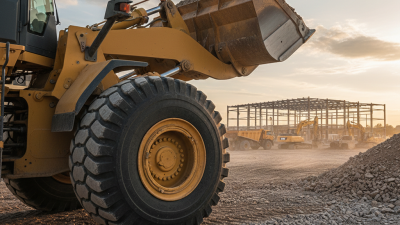
In construction, solid rubber tires are indispensable. They are used on machinery such as skid steers and excavators. These tires can handle rough terrains and provide excellent traction. They reduce downtime due to punctures, a common issue with pneumatic tires. Businesses realize fewer interruptions in operations.
Additionally, solid rubber tires have applications in the healthcare sector. Hospitals utilize them on equipment like patient transport vehicles. Their maintenance-free nature enhances hygiene. They eliminate the need for frequent air pressure checks. However, there are considerations; solid rubber tires can sometimes be heavier, impacting equipment speed. Evaluating specific needs is crucial in choosing the right tires. Solid Rubber 700c Tires can cater to various requirements, enhancing operational efficiency.
Top Benefits of Using Solid Rubber Tires for Global Buyers
| Industry Application | Key Benefits | Durability (Years) | Cost Efficiency (Savings %) |
| Construction | High puncture resistance, stability on uneven surfaces | 5-8 | 15-20% |
| Material Handling | Reduced maintenance costs, enhanced load capacity | 6-10 | 10-15% |
| Agriculture | Improved traction, reduced soil compaction | 5-7 | 12-18% |
| Public Transport | Enhanced safety, longer service life | 4-6 | 8-12% |
| Mining | Superior resistance to abrasion, enhanced stability | 7-10 | 15-25% |
Market Trends: Demand and Growth of Solid Rubber Tire Solutions
The demand for solid rubber tire solutions has steadily increased in various sectors. With their robust design and lower maintenance needs, solid tires are highly sought after by global buyers. Industries ranging from construction to warehousing are adopting these tires to enhance efficiency and reduce downtime. The rise in e-commerce is fueling this trend, as reliable transport solutions become essential for seamless operations.
When considering options like 6 Inch Solid Rubber Tires, it's crucial to evaluate specific requirements. Solid rubber tires offer longevity and resilience under heavy loads. Their flat profile provides better stability during operation. However, potential buyers must reflect on the surfaces they will be used on, as certain terrains can wear down tires more quickly than expected.
Efficiency in material handling is another aspect worth analyzing. Companies may see a notable increase in productivity with solid rubber tires due to fewer replacement needs and reduced puncture risks. Buyers should also keep an eye on emerging technologies and innovations in tire manufacturing. These developments may offer exciting opportunities for improved performance and sustainability in the near future.
Maximizing Operational Efficiency: An In-Depth Analysis of Solid Tire Adoption in Airport Ground Support Equipment
In today’s fast-paced airport environment, maximizing operational efficiency is paramount for ground support equipment (GSE). The adoption of solid tires, particularly engineered from polyurethane, offers significant advantages for various types of airport machinery. Polyurethane wheels exhibit unmatched durability and flexibility, which are crucial for the demands placed on baggage trailers, passenger boarding bridges, and cargo handling equipment. By integrating polyurethane wheels into GSE, airports can not only enhance the reliability of their operations but also ensure a smoother and more efficient service delivery.
Furthermore, the utilization of polyurethane wheels significantly improves the overall passenger experience. These wheels contribute to stability and reduced noise levels during equipment movement, ensuring that passengers are less disturbed as they navigate the airport. The application of polyurethane extends to taxiway marking vehicles and ground service equipment, reinforcing their importance in maintaining high operational standards. As the technology surrounding airport equipment continues to evolve, the implementation of innovative components like polyurethane wheels will play a vital role in supporting the seamless operation of airports worldwide.
FAQS
: Solid rubber tires reduce downtime and maintenance costs. They save money by being puncture-proof and increase productivity.
They can last three times longer than standard tires in industrial settings, providing significant value over time.
They eliminate puncture risks and provide stable support, especially in rugged terrains, enhancing vehicle control in emergencies.
Yes, they are often made from recycled materials, leading to fewer replacements and reduced raw material extraction.
Evaluate operational needs, environments, and research user reviews. Consulting tire technology experts can provide valuable insights.
They may struggle in extreme weather, like icy conditions, due to limited tread depth. Understanding these limitations is important.
Yes, they can be repurposed at the end of their life cycle, promoting a circular economy and reducing landfill waste.
They can be heavier than air-filled options, potentially affecting fuel efficiency. Not all facilities can recycle them either.
Using these tires can reduce operational disruptions by up to 30%, which is crucial for industries where time is vital.
Conclusion
Solid rubber tires offer numerous benefits that make them an attractive option for global buyers. One of the key advantages is their increased durability and longevity, which significantly reduces the need for maintenance and replacement, leading to greater cost-effectiveness over time. Moreover, solid rubber tires provide enhanced safety features, performing reliably in various conditions and thereby improving overall safety for users.
In addition to their durability and safety, solid rubber tires exhibit improved performance and traction compared to traditional tires, making them suitable for a wide range of applications across different industries. Their versatility is evident in various sectors, driving a growing demand for solid rubber tire solutions in the market. Furthermore, the environmental benefits of using solid rubber tires contribute to their appeal, aligning with sustainable practices and reducing waste in tire disposal.