In today’s fast-moving industrial world, businesses really need to focus on being efficient and long-lasting. Have you heard about Polyurethane Solid Tires? They’re becoming super popular for all sorts of jobs — whether it’s in warehouses or on construction sites. According to a report from Markets and Markets, the global market for solid tires is expected to blow up, reaching over $6 billion by 2027. And the main reason? These tires pack some pretty impressive benefits.
Switching to these tires can actually boost your productivity. They’re really resistant to wear and punctures, which means fewer repairs and lower maintenance costs. In fact, some studies suggest that businesses could cut downtime by up to 30% just by making the switch. But hey, it’s not a one-size-fits-all kind of deal. Companies really need to check out their specific needs and how they plan to use these tires. Understanding what they can and can’t do will help in making a smarter investment.
Plus, thinking about the environment is worth considering too. These tires tend to last longer, which means less waste. But — and here’s the thing — the initial cost can be higher, so it’s smart to do some research or get advice from experts. As the market keeps evolving, sources like Tire Review can be pretty helpful when you’re trying to figure out which tires are best for you. Bottom line? Make a well-informed, strategic choice — weigh the quick wins against the long-term impacts. It’s all about finding that sweet spot between immediate benefits and future sustainability.
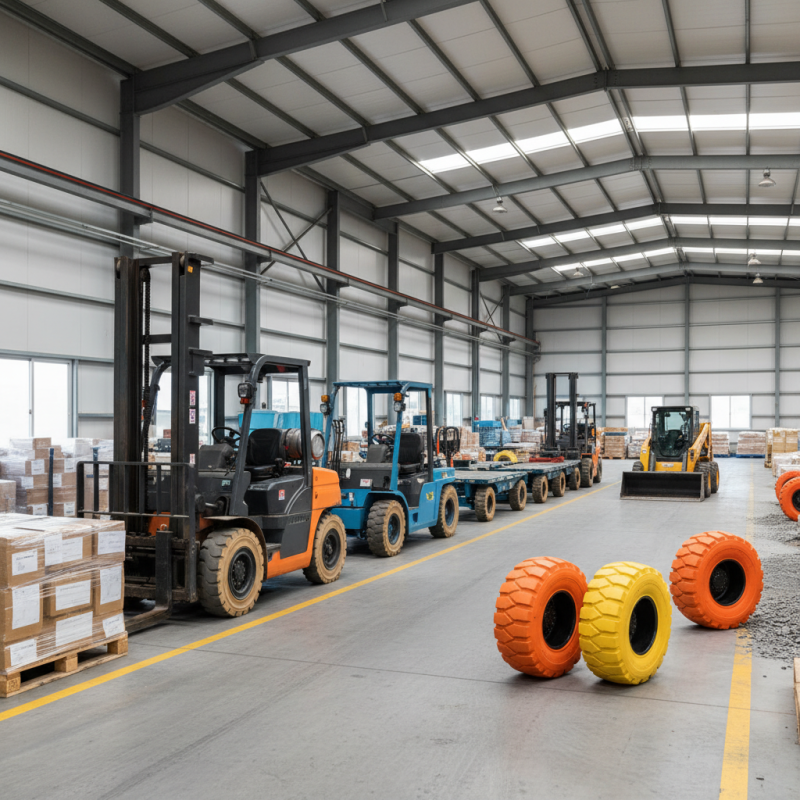
Understanding Polyurethane Solid Tires and Their Composition
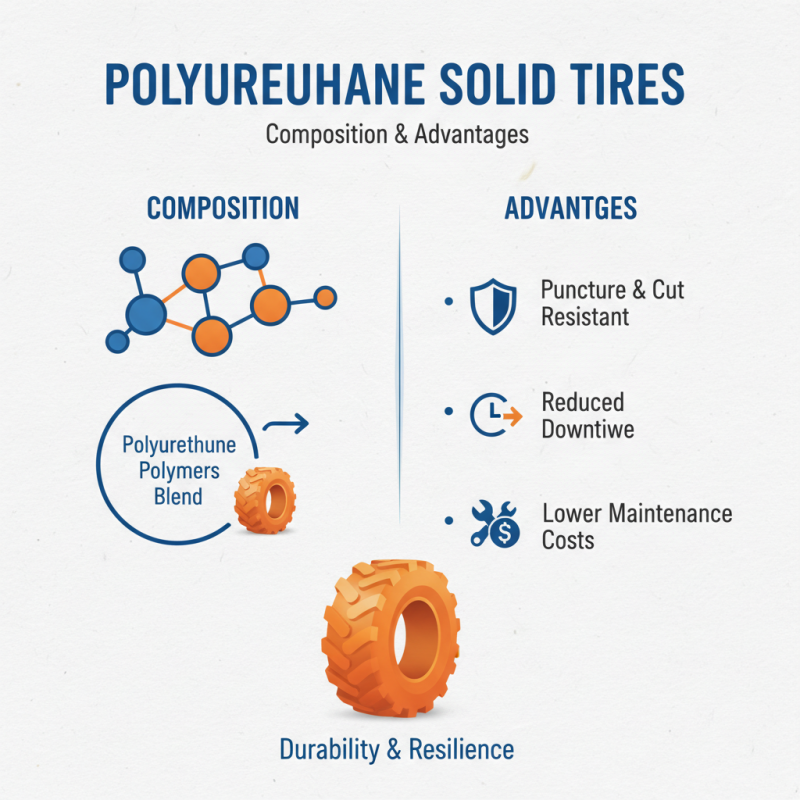
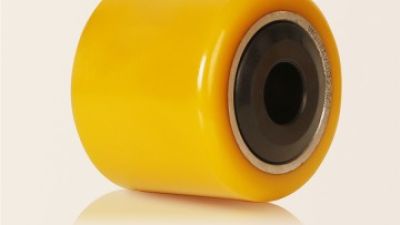
Polyurethane Solid Tires are gaining traction in various industries. Their composition primarily consists of a blend of polyurethane polymers. This material offers significant advantages due to its resilience and durability. Unlike traditional rubber tires, polyurethane tires resist punctures and cuts effectively. This leads to reduced downtime and maintenance costs.
A study by the Material Science Institute highlighted that polyurethane tires can last up to three times longer than rubber tires. This durability is especially crucial in heavy-duty applications. Industries that rely on forklifts or industrial equipment greatly benefit from these tires. They excel in handling heavy loads without compromising performance.
Many companies overlook the importance of tire selection. Choosing the right tire can significantly affect overall efficiency. However, some may consider the higher initial investment as a barrier. In contrast, the long-term savings from fewer replacements and less maintenance can outweigh this initial cost. As businesses strive for sustainability, solid tires also provide an eco-friendlier choice, as they produce less waste over time.
Advantages of Using Polyurethane Solid Tires in Industrial Settings
Polyurethane solid tires are becoming popular in various industrial settings. These tires provide excellent durability and resilience. They are resistant to wear and are capable of withstanding heavy loads. This makes them an ideal choice for material handling and warehouse applications. Businesses benefit from fewer tire replacements, which saves costs in the long run.
In addition to durability, polyurethane solid tires offer better traction. Their surface provides grip in various working conditions, enhancing safety. Employees can work more efficiently without worrying about tire failure. However, these tires can sometimes provide a stiffer ride. Companies must weigh the comfort of their workforce against the performance benefits they offer.
Another consideration is the overall environmental impact. Polyurethane Rubber Wheels are often made from recyclable materials, contributing to sustainability efforts. Still, not all products on the market meet high environmental standards. Businesses should evaluate the sources of their materials carefully. Selecting the right tires for your operations can lead to improvements, but it's crucial to do thorough research.
Durability and Longevity of Polyurethane Solid Tires Over Time
Polyurethane solid tires are known for their remarkable durability. They resist abrasions and impact, making them ideal for demanding environments. Businesses can save on maintenance with these long-lasting tires. Unlike traditional rubber tires, polyurethane does not easily wear out. This means fewer replacements and less downtime for operations.
Longevity is a crucial factor for many companies. Polyurethane tires can last years longer than their rubber counterparts. They maintain performance levels even under heavy loads. This endurance translates into increased productivity and lower overall costs. However, it is essential to consider that not all applications may suit polyurethane. Each operational environment has its unique challenges.
Investing in polyurethane solid tires could significantly impact your bottom line. Yet, businesses must evaluate individual needs before making a decision. Weighing the benefits against potential shortcomings is critical. A thorough assessment ensures the right choice for your specific situation.
Cost-Effectiveness of Polyurethane Solid Tires for Businesses
Polyurethane solid tires are increasingly popular for businesses seeking cost-effective solutions. These tires offer a long lifespan, which can significantly reduce replacement costs. Unlike traditional pneumatic tires, polyurethane tires are puncture-proof. This means fewer downtimes due to tire damage and maintenance.
One important aspect is the reduced total cost of ownership. While the initial investment may be higher, the durability of these tires pays off in the long run. They require minimal maintenance, leading to lower operational costs. Consideration should be given to their performance in various conditions as well. Depending on your business environment, polyurethane tires can provide excellent traction and stability.
Tips: Regularly check tire pressure and surface conditions. Understand the specific demands of your operations, as some tires may not suit all environments. Choosing the right tire is crucial for achieving optimal performance. Investing in quality polyurethane tires can be a game changer for your business efficiency. Make sure to evaluate your needs carefully before making a decision.
Performance Benefits: Traction, Stability, and Load Capacity
Polyurethane solid tires offer remarkable performance benefits that can greatly enhance business operations. One of the most significant advantages is their superior traction. Studies indicate that solid tires provide up to 20% better grip compared to pneumatic tires. This improvement is crucial in environments where slippage can lead to safety hazards and equipment damage. Workers can move more confidently, increasing overall productivity on the job site.
Stability is another area where polyurethane solid tires excel. A report from the International Material Handling Institute highlights that these tires maintain consistent performance under heavy loads, with a load capacity that can reach up to 4,500 pounds. This is particularly beneficial for businesses that rely on heavy equipment. However, it’s worth noting that solid tires often present a stiffer ride than pneumatic tires. While they reduce the risk of blowouts, they may require careful consideration regarding equipment design and worker comfort.
Load management is critical for efficient operations. Polyurethane solid tires do not lose air pressure and maintain performance over time. This reliability minimizes downtime caused by flat tires, a common issue with pneumatic tires. Data shows that businesses can reduce tire-related maintenance costs by up to 30% with solid tires. Nonetheless, the initial investment can be higher, so businesses must weigh the long-term benefits against upfront costs. Overall, adopting solid tires requires strategic planning and consideration of specific operational needs.
Environmental Impact of Polyurethane Solid Tires Compared to Other Tires
Polyurethane solid tires are gaining attention for their environmental benefits. Compared to conventional rubber tires, these Solid Skid Tires reduce waste significantly. According to a recent industry study, approximately 3 billion tires are disposed of annually worldwide. Solid tires have a longer lifespan, minimizing landfill contributions.
The production of polyurethane solid tires also has a lower carbon footprint. Reports suggest that the manufacturing process generates up to 30% fewer greenhouse gases than standard tires. This is partly due to the absence of air, which eliminates puncture-related waste. However, some experts argue that sourcing raw materials still presents environmental challenges.
Recycling options for polyurethane solid tires are expanding. Many manufacturers are now exploring innovative ways to repurpose discarded tires. Although the end-of-life process for these tires is not perfect, ongoing research aims to improve sustainability. The industry recognizes the importance of a circular economy, pushing for more responsible practices. In sum, while challenges remain, the potential of Solid Skid Tires to enhance environmental sustainability is noteworthy.
Environmental Impact of Polyurethane Solid Tires vs. Other Tires
Maintenance Considerations for Polyurethane Solid Tires in Your Operations
Maintaining polyurethane solid tires requires careful attention and proactive management. These tires are renowned for their durability and performance, but they can still face challenges in operational settings. Regular inspections are essential, as wear patterns can inform potential issues before they escalate. According to industry reports, up to 30% of tire failures result from inadequate maintenance practices, highlighting the importance of routine checks.
Another critical consideration is the inflation pressure of Solid Rubber Tires. Maintaining proper pressure is vital for optimal performance. Over-inflation may lead to a harsher ride and increased wear, while under-inflation can impair load-bearing capacity. Striking the right balance is key. A study revealed that improper inflation can decrease tire lifespan by up to 25%.
Additionally, environmental factors impact polyurethane tires. Exposure to extreme temperatures, chemicals, or moisturecan compromise their integrity. Companies must implement strategies to shield their tires from such elements. Reflecting on these aspects can lead to improved performance and extended tire life. The reliability of Solid Rubber Tires in diverse conditions requires ongoing attention and a commitment tobest practices.
Enhancing Efficiency in Material Handling: The Impact of Polyurethane Wheels on BT Forklift Performance and Longevity
In the realm of material handling, optimizing efficiency is a critical goal for many operations. One of the recent advancements contributing significantly to this pursuit is the incorporation of polyurethane (PU) wheels in forklift designs. These wheels not only enhance the performance of forklifts but also extend their operational longevity, reflecting a strong return on investment for users. This innovation is particularly impactful in models like the RRE160, RRE180, RRE200, and RRE240, as well as the Staxio series and BT VCE models.
Polyurethane wheels are known for their superior resilience and grip, which translates into improved maneuverability and smoother rides on various surfaces. This characteristic is essential when navigating busy warehouses or uneven outdoor terrains. By reducing shock and vibration, PU wheels minimize wear and tear on forklift components, thus decreasing maintenance requirements and downtime. As a result, businesses utilizing these advanced wheels can maintain high productivity levels while ensuring that their equipment remains in optimal condition for longer periods.
Furthermore, the efficiency-enhancing properties of PU wheels make them an ideal choice for intensive material handling tasks. Their ability to sustain hefty loads without compromising performance means that operators can complete tasks more quickly and with greater safety. Investing in forklifts equipped with polyurethane wheels can therefore lead to a significant improvement in operational workflows, ultimately benefiting overall business efficiency and output.
FAQS
: They offer durability, resilience, and resistance to wear. They can handle heavy loads effectively.
They provide better traction, which reduces slippage. This feature allows workers to move confidently in various conditions.
Yes, they can provide a stiffer ride compared to pneumatic tires. Companies should consider worker comfort when choosing tires.
Some solid tires are made from recyclable materials, promoting sustainability. However, not all meet high environmental standards.
Regular inspections can prevent failures. Inadequate maintenance is a leading cause of tire issues, accounting for 30% of failures.
Over-inflation can cause a harsh ride, while under-inflation can reduce load capacity. This imbalance can decrease lifespan by 25%.
Solid tires do not lose air pressure over time. This reliability enhances performance and minimizes downtime from flat tires.
The upfront cost can be higher than pneumatic tires. However, long-term savings on maintenance may justify the investment.
Yes, exposure to extreme temperatures or chemicals can compromise their integrity. Shielding tires from harsh environments is essential.
Careful evaluation of material sources and operational needs is crucial. Research can lead to better performance and cost reductions.
Conclusion
Polyurethane Solid Tires are becoming increasingly popular in industrial settings due to their unique composition and significant advantages over traditional tires. These tires offer remarkable durability and longevity, making them a cost-effective option for businesses seeking to reduce replacement and maintenance expenses. Additionally, Polyurethane Solid Tires provide enhanced performance features such as superior traction, stability, and load capacity, which are vital for efficient operations.
Furthermore, the environmental impact of Polyurethane Solid Tires is generally more favorable compared to other tire options, as they contribute to sustainability efforts. While they require specific maintenance considerations, the benefits they bring to a business in terms of performance and cost make them an excellent choice for various industrial applications. Overall, investing in Polyurethane Solid Tires can lead to improved operational efficiency and reduced overall costs for businesses.