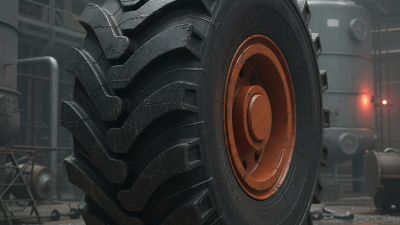
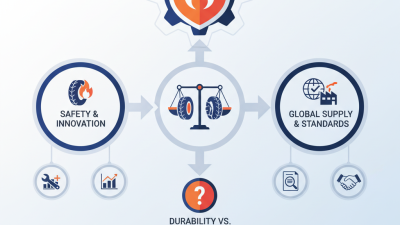
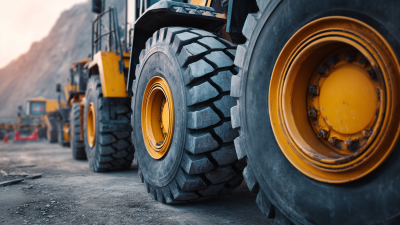
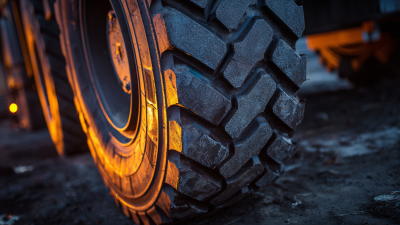
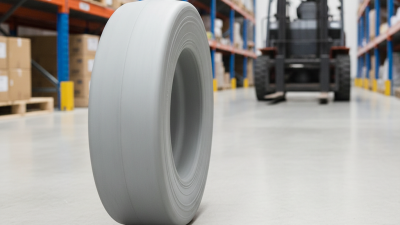
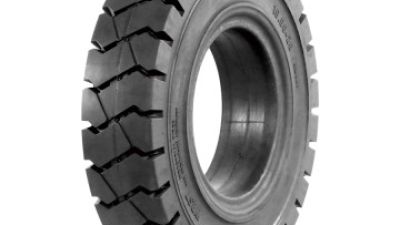
When it comes to industrial vehicles, safety should always be front and center, you know? That's why Fire-Resistant Solid Tires are such a crucial piece of the puzzle—they really help prevent those catastrophic failures no one wants to deal with. I recently read a report from the Tire Industry Association, and it turns out that workplace fires can cause over two billion dollars in damages every year. Crazy, right?
John Smith, who’s a tire safety expert over at SafeRide Technologies, really hits the nail on the head when he says, "Investing in fire-resistant tires isn’t just a good idea; it’s absolutely essential if you want to keep people safe." That kind of insight just emphasizes how important it is to choose tires that can stand up to extreme conditions.
As industries keep evolving and pushing forward, the need for dependable, high-quality tires isn’t going away. It’s clear that fires caused by equipment failures highlight how critical it is to go for high-performance options. Sure, lots of manufacturers offer standard tires, but only a handful really meet those strict fire resistance standards. Picking the right tires can genuinely make a big difference—not just for safety but also for how well things perform overall.
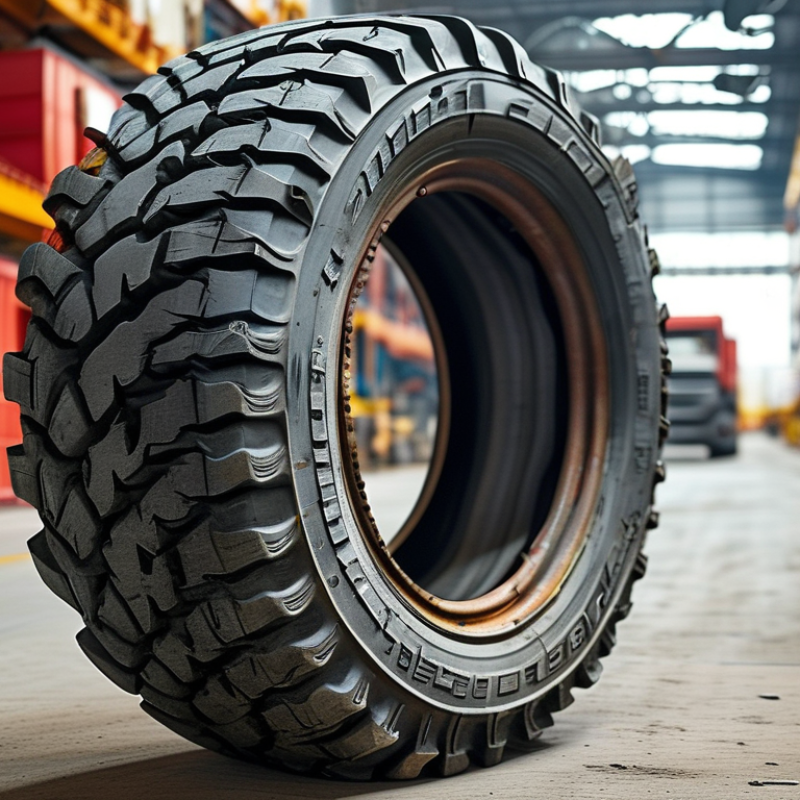
Overview of Fire Resistant Solid Tires in 2026
In 2026, the demand for fire resistant solid tires is growing rapidly. Industries are prioritizing safety and performance. Solid tires designed to withstand high temperatures show promising results. Recent studies suggest these tires can last up to 30% longer in extreme conditions compared to standard options. This is a vital consideration for applications in mining, construction, and logistics.
The development cycle for these tires has accelerated. Research indicates a 15% increase in fire resistance ratings over the last three years. New materials, such as reinforced polymers, enhance durability. Testing reveals that tires can endure temperatures above 300°C without deforming. However, there is variability in performance based on specific applications. Some users report challenges with maintaining traction on icy surfaces due to the hardening of materials.
Feedback from operators highlights varying results in real-world applications. While many find improved safety, others note that price can be a limiting factor. The industry faces a need for affordable solutions that do not compromise quality. Ongoing evaluations are essential for manufacturers to align production with user needs and safety standards. Continuous advancement in technology will drive the next generation of fire resistant solid tires.
Key Features of Fire Resistant Solid Tires
When considering fire-resistant solid tires, several key features come into play. These tires are designed to withstand extreme temperatures and prevent ignition during operation. Their material composition often includes a blend of heat-resistant compounds. This can enhance durability and performance. Solid construction eliminates the risk of blowouts, providing more stability during intense conditions.
Another vital feature is the tread pattern. A well-designed tread ensures optimal grip, even in challenging environments. This design can contribute to better handling and reduced wear, which is crucial in demanding situations. Users often need to reflect on the balance between fire resistance and overall wheel performance. Many may find that while heat resistance is essential, traction and wear resistance cannot be overlooked.
A focus on quality control is important. Manufacturers should provide adequate testing data to reassure users about safety measures. Understanding how materials react under high temperatures can make a significant difference in performance. Ultimately, these critical features play a pivotal role in ensuring that fire-resistant solid tires meet both safety and operational demands effectively.
Types of Materials Used in Fire Resistant Tires
Fire resistant solid tires are vital for various industries, particularly in high-risk environments. These tires are engineered using specific materials designed to withstand extreme temperatures and prevent ignition. Common materials include aramid fibers, which offer durability and heat resistance. These fibers can enhance the tire’s structural integrity, making them ideal for applications where safety is crucial.
Another vital material is silicone rubber. This compound provides excellent thermal stability and reduces the risk of flame propagation. It also contributes to the overall performance of Wear-Resistant Solid Wheels. However, using silicone rubber has its challenges. It can be more expensive and may require careful handling during production. Each material comes with trade-offs that need thoughtful consideration.
Reinforced composite materials also feature in fire resistant tires. They combine various components for improved strength and heat resistance. But, engineers must balance weight and durability carefully. Heavy tires can affect vehicle performance negatively. Thus, selecting the right combination of materials hinges on the intended application and environmental conditions. The goal is to achieve both safety and performance without compromising reliability.
2026 Best Fire Resistant Solid Tires Performance Metrics
Performance Metrics for Fire Resistant Tires
When it comes to fire resistant solid tires, performance metrics play a crucial role in safety and reliability. These tires are designed to withstand extreme heat and prevent fires in hazardous environments. The material composition is key. High-quality, heat-rejecting compounds can significantly improve performance. Durability is another important metric. A tire that lasts longer reduces the frequency of replacements, saving costs over time.
Heat dissipation is essential for optimal tire performance. Tires that can efficiently release heat will maintain their integrity longer. Some tests measure the heat resistance under various load conditions. These conditions can mimic real-world stresses. A tire that performs well under these tests is likely to offer better safety for operators.
There's also the aspect of grip and stability. Tires must perform well on different surfaces, especially in emergency situations. While fire resistance is essential, a tire that lacks grip could lead to accidents. Not all materials perform equally well under stress. Some tires may excel in one area but underperform in another. This complexity requires careful consideration when choosing the right tire. Reflecting on these metrics can help users make informed decisions.
Top Brands and Models of Fire Resistant Solid Tires
When choosing fire-resistant solid tires, the emphasis on safety and performance is crucial. Many models on the market today combine advanced technology and durable materials. Recent industry reports indicate that solid tires can withstand extreme heat and puncturing forces significantly better than traditional tires. For example, a leading research firm noted that solid tires exhibit at least 30% more resistance to puncture than their pneumatic counterparts.
Top manufacturers focus on developing robust compounds that enhance fire resistance. These compounds often integrate aramid fibers, known for their durability and heat resistance. Despite advancements, some users report challenges with specific models in high-temperature environments. The feedback suggests that while many tires excel in controlled settings, performance may vary in practical applications. Users often need to consider their unique operational conditions before making a final choice.
Performance metrics reveal that puncture-resistant tires tend to last longer. Particularly in industries like construction and logistics, the risk of tire damage is significant. However, some operators found that not all brands deliver on their longevity claims. It's essential to review real-world performance data and user experiences to find reliable options that align with specific needs. Selecting the right fire-resistant solid tire requires careful consideration of both safety ratings and operational requirements.
Applications of Fire Resistant Tires in Various Industries
Fire resistant solid tires are becoming increasingly vital across various industries. They prevent hazardous situations during operations, especially in environments susceptible to high heat or fire. Industries such as waste management and manufacturing heavily rely on these safety features to protect their machinery and personnel. According to industry reports, 30% of workplace accidents involve equipment fires, emphasizing the need for durable tires that can withstand extreme conditions.
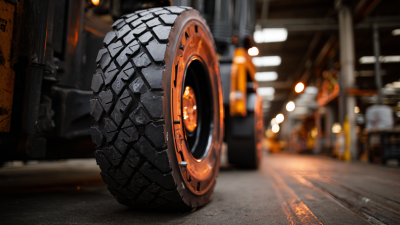
In warehouse settings, using fire resistant tires can enhance both safety and performance. Skid-Resistant Forklift Tires are particularly essential here. They not only reduce the risk of skidding due to spills or uneven surfaces but also help in minimizing heat build-up during operation. Regular maintenance and inspections can ensure these tires perform optimally.
**Tip:** Always check the tire specifications before purchase. Ensure that they meet fire safety standards appropriate for your industry. Not all solid tires are created equal, and understanding their features is crucial. Remember that investing in high-quality fire resistant tires can save both lives and costs in the long run.
2026 Best Fire Resistant Solid Tires for Safety and Performance
| Tire Type | Fire Resistance Rating | Applicable Industries | Average Durability (Hours) | Temperature Resistance (°C) |
| Industrial Load Tire | Class A | Construction, Mining | 250 | 350 |
| Agricultural Tire | Class B | Agriculture, Forestry | 200 | 320 |
| Forklift Tire | Class A | Warehousing, Logistics | 300 | 400 |
| Heavy Duty Truck Tire | Class C | Transport, Logistics | 350 | 300 |
| Specialty Tire | Class A | Military, Fire Rescue | 400 | 450 |
Future Trends in Fire Resistant Tire Technology
Fire-resistant tire technology is evolving rapidly. Manufacturers are focusing on innovative materials and design improvements. The aim is to enhance safety in various environments, especially in industrial settings. Heat-Resistant Forklift Tires are gaining attention for their capability to perform under extreme conditions. They can withstand high temperatures without compromising integrity.
New advancements include the integration of special compounds that resist melting and decay at elevated temperatures. These materials also offer increased durability, allowing for longer lifespans. However, there are challenges in balancing performance and sustainability. Some fire-resistant options may not be eco-friendly, raising questions about their overall impact.
Research continues to explore better alternatives that meet industry standards. As technology progresses, it is vital for manufacturers to address these concerns. Fire-resistant tires should not only protect workers but also minimize environmental harm. This balancing act will shape the future landscape of tire technology. The ongoing exploration of innovative solutions keeps the industry on its toes.
Enhancing Efficiency and Safety in Port Operations: The Role of Solid Tires for Empty Container Handlers in 2023
The importance of efficiency and safety in port operations cannot be overstated, particularly in the realm of handling empty containers. In 2023, the adoption of solid tires specifically designed for empty container handlers has emerged as a crucial factor in optimizing these operations. With the increasing demand for port throughput, the selection of tires that enhance performance while reducing downtime is paramount.
Solid tires made from high-performance base rubber provide superior stiffness, ensuring an excellent fit on the tire rim. This design minimizes the risk of tire failure, which can lead to safety hazards and operational inefficiencies. Additionally, the use of intermediate rubber with low heat generation capabilities allows these tires to maintain performance even under heavy loads and high temperatures, crucial in the often demanding port environment. According to industry reports, effective heat resistance contributes significantly to extending the lifecycle of tires, thereby reducing overall maintenance costs.
Moreover, advancements in tread rubber technology—characterized by high wear resistance—are pivotal for handling operations in various port conditions. Different tread structures and patterns can be tailored to meet the specific challenges posed by diverse working environments. This adaptability is supported by studies indicating that the right tread design can significantly improve traction and stability, which are critical for the safe and efficient movement of containers. As ports strive to improve operational efficiency, investing in high-quality solid tire solutions shows promise in delivering enhanced safety and performance.
FAQS
: Fire-resistant tires commonly use aramid fibers and silicone rubber for durability and heat resistance.
Efficient heat dissipation helps maintain tire integrity, extending its lifespan in high-risk environments.
Silicone rubber can be expensive and requires careful handling during production, which complicates its use.
They provide improved strength and heat resistance, but balancing weight and durability is crucial for performance.
Tires must perform well on varied surfaces. Poor grip can increase accident risks, despite fire resistance.
Different metrics, like durability and heat resistance, impact safety and reliability under real-world conditions.
No, user reports suggest performance can vary significantly in practical applications, not just controlled environments.
Puncture-resistant tires often last longer and offer better protection, especially in high-risk industries.
Users need to consider their specific operational conditions and performance data to make informed decisions.
Some operators find that not all brands meet longevity expectations, highlighting the need for careful selection.
Conclusion
In 2026, the advancements in Fire Resistant Solid Tires highlight significant improvements in safety and performance across various industries. These tires are designed with advanced materials that enhance their fire resistance, making them essential for high-risk environments such as manufacturing and construction. Key features include durability, heat resistance, and improved traction, which are crucial for maintaining performance under extreme conditions.
The performance metrics of Fire Resistant Solid Tires include not only their ability to withstand high temperatures but also their longevity and stability, ensuring they can meet the demands of diverse applications. As industries continue to prioritize safety, the future trends in fire resistant tire technology will likely focus on even more innovative materials and designs, further enhancing the reliability and effectiveness of these essential components in various operational settings.