Yantai Wonray Tyre Co., Ltd.

Leave Your Message
0%

In today’s fast-moving world of material handling, picking the right equipment really makes all the difference when it comes to smooth operations and keeping everyone safe. One area that often doesn’t get enough attention—yet is super important—is choosing the right Forklift Rubber Wheels. Did you know that, according to the Material Handling Industry (MHI), about 30% of downtime on a job is actually linked to having the wrong wheels? It kind of highlights just how crucial making smart, informed decisions is. As companies push for better efficiency and productivity, it’s more important than ever to understand what different forklift wheel options can do, and which ones will work best for your specific needs.

John Smith, a senior analyst at Rubber Wheel Technologies—and someone who really knows his stuff—says, “Getting the right forklift rubber wheels can really change how easily your forklifts move around and how much weight they can handle, which in turn affects your overall costs.” With the global forklift market expected to hit $95 billion by 2025—thanks to the surge in warehouse automation and logistics—don’t underestimate the impact high-quality rubber wheels can have. This guide is here to help decision-makers like you understand what to look for and how to choose wheels that not only suit your operations but also promote more sustainable practices for your business.
2025 Guide on Choosing the Best Forklift Rubber Wheels for Optimal Performance

Key Factors to Consider When Selecting Forklift Rubber Wheels

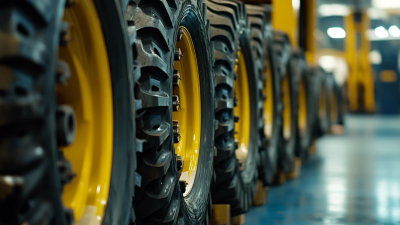
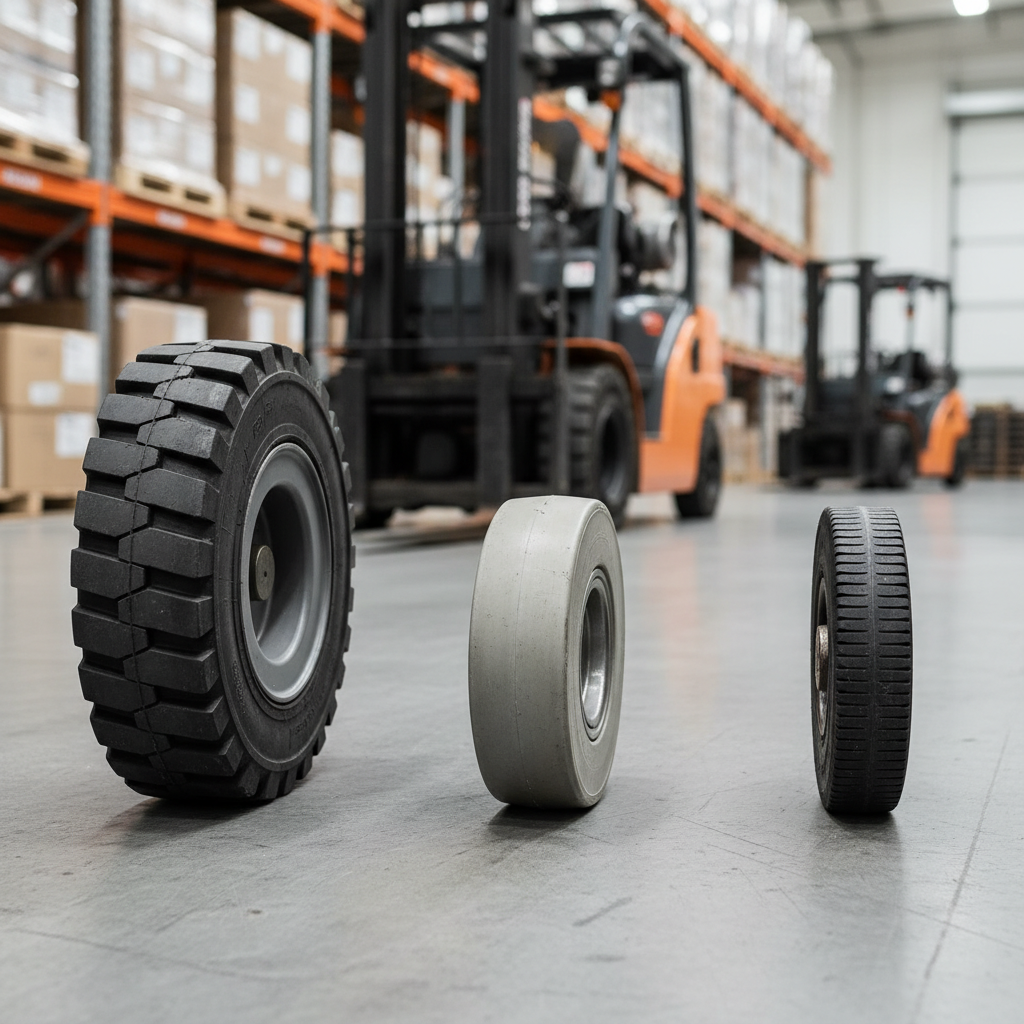
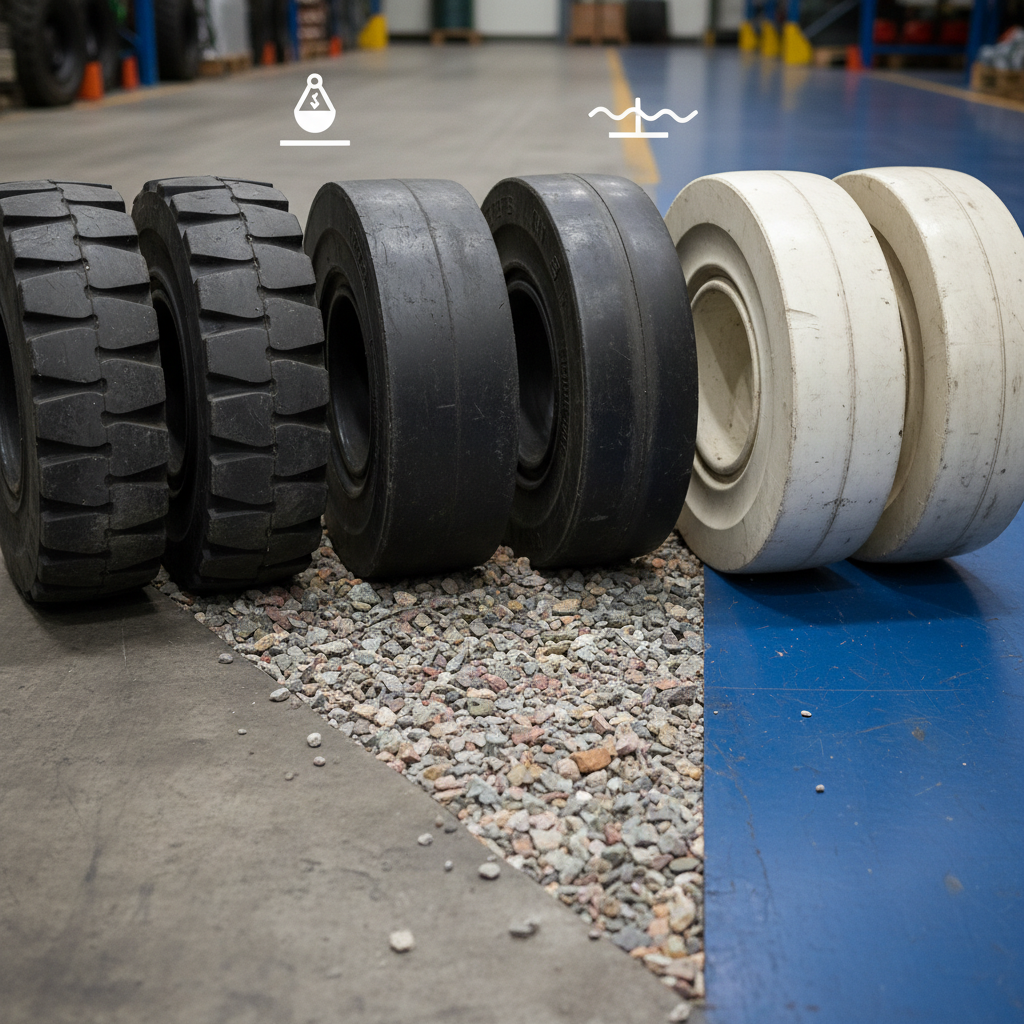
When selecting forklift rubber wheels, it is essential to consider several key factors that influence performance and efficiency. First, the type of rubber tire greatly affects maneuverability and longevity. Options include cured-on, pressed-on, and non-marking tires, each designed for specific operating conditions. Cured-on tires are ideal for rigorous environments, providing excellent abrasion resistance, while pressed-on tires offer a more cost-effective solution for lighter duty applications. Non-marking tires are crucial for facilities where cleanliness is a priority, as they minimize scuff marks on floors.

Another critical aspect is compatibility with the vehicle type, whether it’s a forklift or skid steer loader. The load capacity of the wheels must match the operational requirements to ensure safety and effectiveness. Additionally, the tire’s tread design should be aligned with the surface it will predominantly operate on, as this impacts traction and stability. By focusing on these considerations, companies can enhance their operational efficiency and reduce downtime associated with tire failures. Following this approach, Yantai WonRay Rubber Tyre Co., Ltd. emphasizes the importance of high-quality products tailored to customer needs, ensuring optimal performance of every vehicle equipped with their rubber wheels.

The Importance of Wheel Size and Diameter for Optimal Performance

2025 Guide on Choosing the Best Forklift Rubber Wheels for Optimal Performance

When selecting forklift rubber wheels, understanding the size and diameter is crucial for achieving optimal performance. The right wheel size ensures that the forklift operates smoothly on various surfaces, reducing wear and tear on both the equipment and the warehouse floors. A wider wheel can distribute weight more evenly, enhancing stability and traction, particularly in uneven terrain. Conversely, smaller diameter wheels may provide quicker maneuverability but can compromise load-bearing capacity.

Tips: When choosing the wheel size, consider the types of surfaces the forklift will be operating on. If navigating rough terrain, opt for larger wheels that can absorb shocks more effectively. Additionally, consult with wheel manufacturers to ensure compatibility with your forklift model, as this can significantly impact performance and safety.

It's essential to weigh the operational requirements of your specific environment. For instance, in tighter spaces, smaller wheels may be more beneficial, while in rugged outdoor conditions, larger, more robust wheels are preferable. Always keep in mind that selecting the right wheel size can contribute not only to the forklift's efficiency but also to the longevity of both the wheels and the entire vehicle.

Understanding Different Rubber Formulations for Superior Grip and Longevity

When choosing the best forklift rubber wheels for optimal performance, understanding the different rubber formulations available is crucial. Different blends of rubber can significantly impact grip, durability, and overall longevity of the wheels. For instance, softer rubber compounds tend to provide superior grip on varied surfaces, making them ideal for indoor applications. In contrast, harder formulations can enhance durability, particularly in outdoor environments where rough terrain and exposure to abrasive materials are common.

**Tips:** When selecting forklift rubber wheels, consider the specific conditions of your work environment. If the majority of your operations occur indoors on smooth surfaces, opt for softer rubber wheels for better traction. Alternatively, if your forklifts will frequently navigate rough outdoor surfaces, investing in harder rubber formulations will ensure that the wheels remain intact and functional longer.

Another important factor is the temperature and climatic conditions. Certain rubber types perform better in extreme temperatures, ensuring the wheels maintain their shape and effectiveness. It's wise to evaluate your climate conditions before making a purchase to avoid premature wear or failure of the wheels during harsh weather.

**Tips:** Always check the manufacturer's specifications regarding temperature resistance when choosing rubber wheels. This can prevent unexpected breakdowns during crucial operations and save costs in the long run.

2025 Guide on Choosing the Best Forklift Rubber Wheels for Optimal Performance

Rubber Formulation Grip Level Longevity (hours) Load Capacity (lbs) Usage Environment
Natural Rubber High 2000 4000 Indoor
Polyurethane Medium 3000 5000 Outdoor/Indoor
Nitrile Rubber High 2500 3500 Chemical Exposure
Vinyl Nitrile Medium 2200 4500 Indoor/Outdoor
Hard Rubber Low 1800 6000 Indoor

Comparing Hardness Ratings: Finding the Right Balance for Your Operation

When selecting forklift rubber wheels, one of the crucial aspects to consider is the hardness rating of the rubber. Hardness ratings, typically measured on the Shore A scale, can significantly influence performance. Softer wheels provide better traction and shock absorption, making them ideal for uneven surfaces and sensitive load handling. Conversely, harder wheels excel in durability and are better suited for flat, smooth surfaces. Understanding the specific needs of your operation will allow you to make an informed decision.

Tip: Always assess the environment where your forklift will operate. If your warehouse has a mix of terrain types, consider a medium hardness rating that offers a compromise between traction and wear resistance.

Additionally, it's important to take into account the weight of the loads being transported. Heavier loads generally benefit from harder wheels, which can withstand increased pressures over time. However, if your operation involves frequent maneuvering with lighter loads, opting for softer wheels might enhance overall efficiency and reduce potential damage to both the loads and the flooring.

Tip: Regularly monitor the condition of your wheels. Signs of wear can indicate if you need to adjust the hardness of future replacements to better suit your operational demands.

Maintenance Tips to Maximize the Lifespan of Your Forklift Rubber Wheels

Maintaining forklift rubber wheels is crucial for ensuring optimal performance and longevity. According to a report by the Industrial Truck Association, improper maintenance can reduce the lifespan of rubber wheels by up to 50%. To prevent premature wear, it is essential to regularly inspect the wheels for signs of damage, such as cracks or uneven wear patterns. Keeping the wheels clean from debris and contaminants will also significantly enhance their performance, as dirt can cause deterioration of the rubber compound and lead to unplanned downtime.

Another key aspect of maintenance is wheel pressure. A study conducted by the Occupational Safety and Health Administration (OSHA) emphasizes that maintaining the correct air pressure in inflatable rubber wheels can improve fuel efficiency by up to 8% and enhance traction on slippery surfaces. When wheels are under-inflated, they generate excessive heat and can become a safety hazard. Regularly checking wheel pressure and adjusting it according to the manufacturer’s specifications is crucial. Implementing a proactive maintenance schedule that includes inspections and proper handling practices can maximize the lifespan of your forklift rubber wheels, ensuring continuous operation and reducing costs associated with wheel replacements.

Common Mistakes to Avoid When Choosing Forklift Wheels for Your Needs

2025 Guide on Choosing the Best Forklift Rubber Wheels for Optimal Performance

Choosing the right forklift rubber wheels is essential for optimal performance, but many users make common mistakes that can affect their operations. One frequent error is overlooking the weight capacity of the wheels. It's vital to match wheel specifications with the expected load to prevent undue wear or potential accidents. Additionally, ignoring the surface type where the forklift will be operating can lead to improper selection. For instance, wheels designed for concrete may not perform well on gravel, affecting maneuverability and safety.

Another mistake is failing to consider the environment in which the forklift will operate. Factors such as temperature fluctuations, exposure to chemicals, and moisture can impact the longevity of rubber wheels. Users should also not underestimate the importance of regular maintenance and inspection. Neglecting to check for wear and tear can compromise performance and lead to costly downtime. By being mindful of these common pitfalls, you can ensure that your selection process for forklift wheels meets both operational needs and safety standards.

FAQS

: What are the main types of forklift rubber wheels?

: The main types include cured-on tires, pressed-on tires, and non-marking tires. Cured-on tires are suited for rigorous environments, pressed-on tires are more cost-effective for lighter duties, and non-marking tires are ideal for clean facilities.

How does the type of rubber tire impact performance?

The type of rubber affects maneuverability, longevity, and suitability for specific operating conditions, which in turn influences overall performance and efficiency.

Why is compatibility with the vehicle type important when selecting rubber wheels?

Compatibility ensures that the wheels can support the vehicle's load capacity and meet operational requirements, which is essential for safety and effectiveness.

What should be considered about the tread design of the rubber wheels?

The tread design should align with the surface conditions where the vehicle operates, as it affects traction and stability.

How can improper maintenance impact forklift rubber wheels?

Improper maintenance can reduce the lifespan of rubber wheels by up to 50%, leading to increased costs and downtime.

What are some important maintenance practices for forklift rubber wheels?

Regular inspection for damage, cleaning debris, and maintaining proper air pressure are crucial for enhancing performance and extending the lifespan of rubber wheels.

How does maintaining the correct wheel pressure affect performance?

Proper air pressure can improve fuel efficiency by up to 8% and enhance traction on slippery surfaces, while under-inflated wheels may generate excessive heat and pose safety hazards.

What is the importance of a proactive maintenance schedule?

A proactive maintenance schedule helps in regular inspections and proper handling, maximizing the lifespan of forklift rubber wheels and reducing costs related to replacements.

Conclusion

When selecting the best Forklift Rubber Wheels for optimal performance, several key factors must be considered. The size and diameter of the wheels significantly affect efficiency and maneuverability. Additionally, different rubber formulations can enhance grip and provide longevity, while hardness ratings play a crucial role in balancing performance and durability. To ensure that these wheels last, regular maintenance is essential, and being aware of common mistakes during the selection process can save businesses from costly errors.

At Yantai WonRay Rubber Tyre Co., Ltd., we emphasize a quality-first approach that aligns with customer needs in the forklift industry. By focusing on innovation and customer satisfaction, we provide high-quality Forklift Rubber Wheels that meet various operational requirements, ensuring both optimal performance and longevity in challenging environments.
Sophia

Sophia

Sophia is a dedicated marketing professional at Yantai WonRay Rubber Tyre Co., Ltd., where she embodies the company's core philosophy of "quality first, customer first, innovation first." With a deep understanding of the rubber tyre industry, Sophia is committed to ensuring that product quality......
Previous 2025 Innovations in Forklift Rubber Wheels: The Comprehensive Buying Guide for Global Sourcing